Walkability has become one of the most searched-for features in Dallas real estate, especially among buyers and sellers planning ahead for 2026. Being able to step outside and walk to coffee, dining, green space, or daily errands is no longer a bonus. It is a lifestyle driver and, increasingly, a value multiplier.
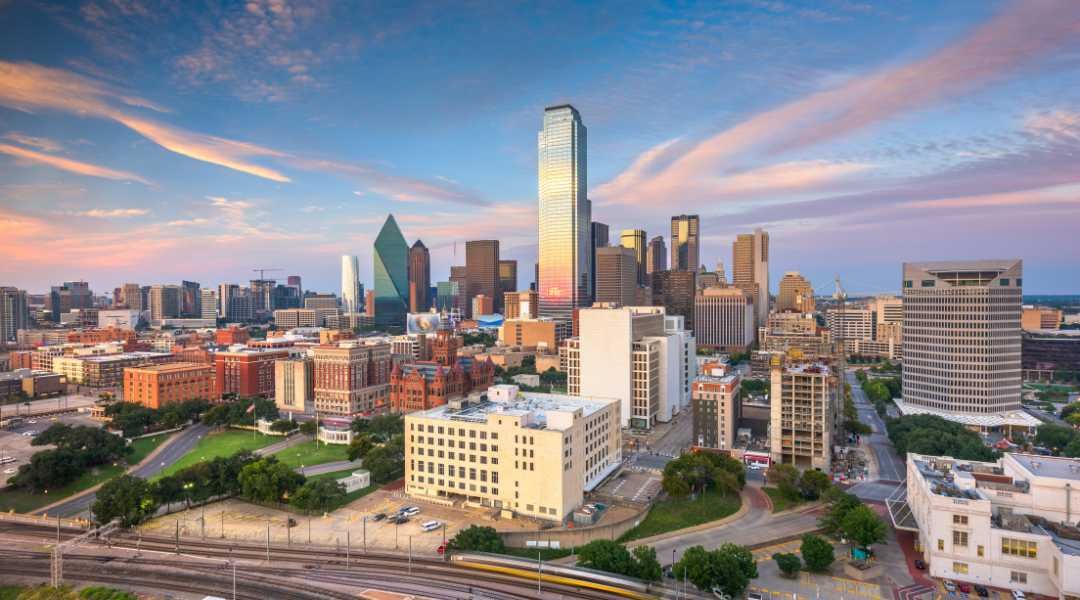
As a Top 1 percent Dallas Realtor and founder of ALTA Realty Group, I spend every day analyzing how neighborhood design, zoning, and buyer behavior shape long-term value. Below are the 10 most walkable neighborhoods in Dallas heading into 2026, with insights for buyers, sellers, and investors who want to make informed moves.
1. Bishop Arts District | 75208
Bishop Arts continues to define walkable living in Dallas. Independent restaurants, local retail, and consistent foot traffic make this area especially attractive for buyers relocating from coastal cities. From historic bungalows to modern townhomes, property types here support strong resale and rental demand.
Buyer insight: Inventory moves quickly when priced correctly.
Seller insight: Presentation and digital exposure are critical here.
2. Kessler Park | 75208
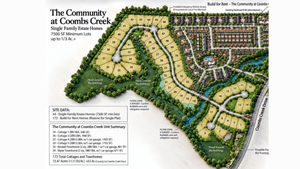
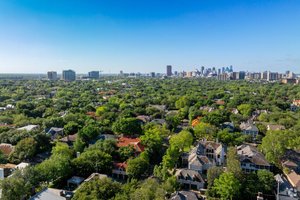
Tree-lined streets, rolling topography, and proximity to Stevens Park Golf Course and Coombs Creek Trail give Kessler Park a walkable feel without density overload. Architectural variety is a major draw, especially for design-driven buyers.
Investor insight: Renovated homes with preserved character outperform the market.
3. Uptown Dallas | 75201
Uptown remains one of Dallas’s most pedestrian-oriented neighborhoods, anchored by the Katy Trail, retail corridors, and mid-rise density. Demand is consistent from professionals and long-term renters.
4. Knox Henderson | 75205
Boutique retail, dining, and trail access keep Knox Henderson highly walkable. New construction continues to elevate pricing, while older homes offer renovation upside.
5. Lakewood | 75214
Near White Rock Lake, Lakewood blends outdoor access with everyday walkability. Cafes, schools, and neighborhood retail support strong owner-occupant demand.
6. Lower Greenville | 75206
Lower Greenville offers dense dining options, nightlife, and strong rental activity. Walkability here directly impacts short- and long-term investment performance.
7. Deep Ellum | 75226
Deep Ellum’s grid layout supports true pedestrian movement. While more urban, it remains one of the most walkable neighborhoods east of Downtown.
8. Victory Park | 75219
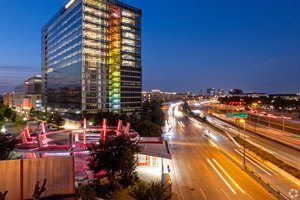
High-rise living, access to transit, and proximity to Downtown make Victory Park ideal for buyers prioritizing convenience over space.
9. Downtown Dallas Arts District | 75201
Cultural anchors, museums, and expanding residential options make the Arts District increasingly livable on foot.
10. Oak Lawn | 75219
Oak Lawn offers one of the most balanced walkable lifestyles in Dallas, with grocery access, restaurants, and transit all within reach.
Why Walkability Matters in 2026
Search trends show buyers actively asking:
Which Dallas neighborhoods are most walkable?
Where can I live without relying on a car?
Which walkable areas hold value long-term?
Walkable neighborhoods consistently command stronger pricing, shorter days on market, and higher rental demand. For sellers, that means leverage. For buyers, it means lifestyle alignment. For investors, it means durability.
My approach combines deep local knowledge, negotiation strategy, and technology-driven marketing to position clients ahead of the market, not behind it. From Oak Cliff to Uptown, every neighborhood requires a tailored strategy based on buyer psychology, pricing data, and presentation.
If you are considering buying, selling, or investing in one of Dallas’s most walkable neighborhoods, clarity matters.
📲Book a Consultation Today! to talk through where walkability, value, and your timeline intersect in 2026.