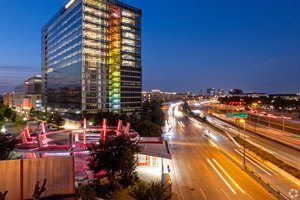
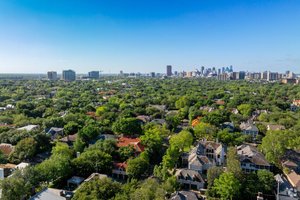
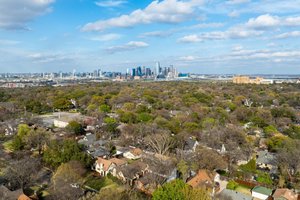
Oak Cliff isn't one neighborhood - it's twenty. And the gap between them, in price, character, and what you're actually getting, is wider than most buyers realize until they've spent a few Saturdays driving the area.
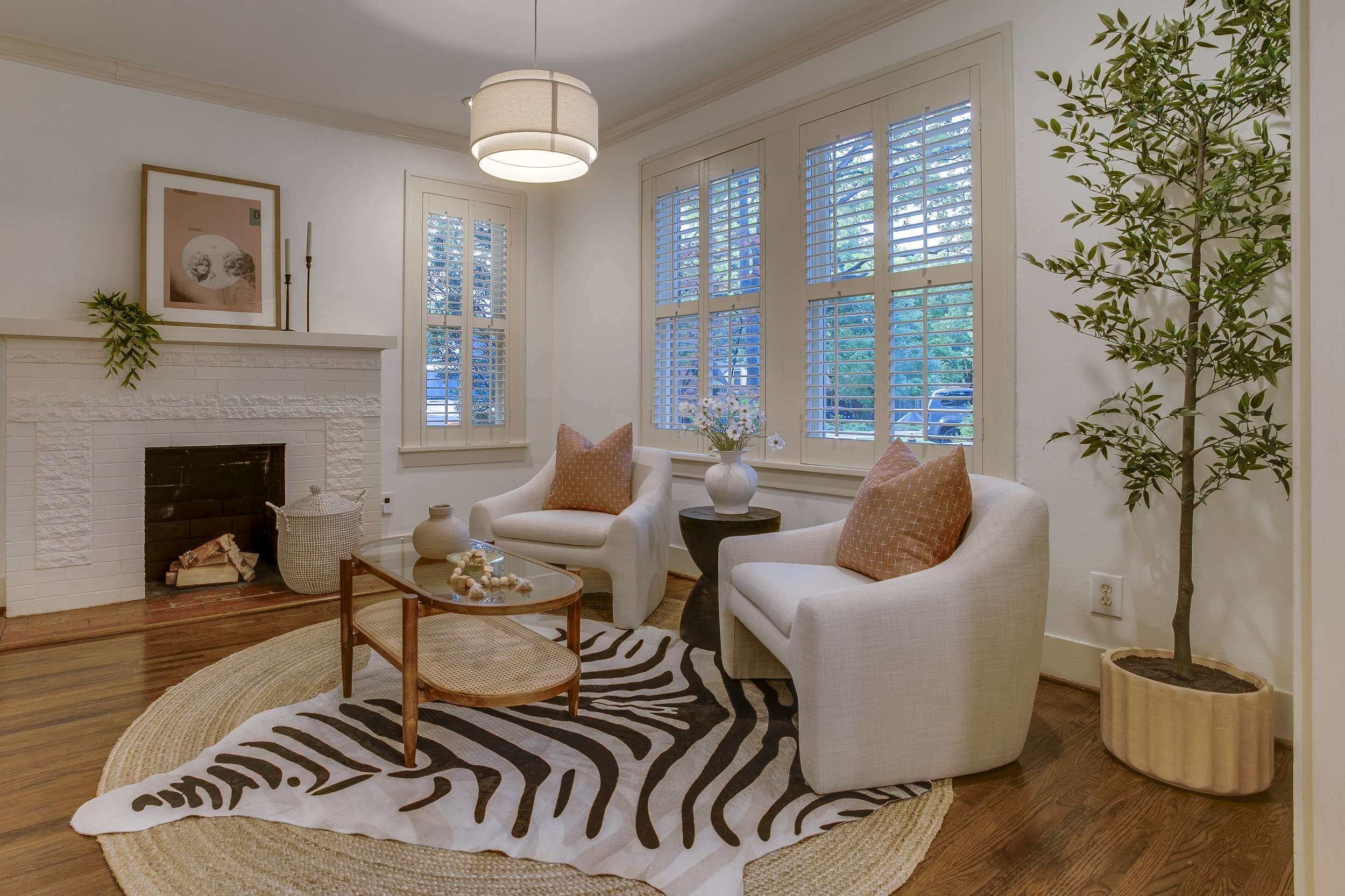
If you're shopping Oak Cliff in 2026, this is the working list. Not a tourism rundown - the version I give clients who are about to write an offer.
Bishop Arts District
The most-asked-about pocket in Oak Cliff, and the one most likely to disappoint a buyer who hasn't done their homework.
What works: walkability to the restaurants and shops on Bishop and Davis, strong rental demand if you ever leave, a buyer pool that doesn't shrink. The original 1920s bungalows still trade at a premium.
What to watch in 2026: the new mixed-use buildings on the east edge have pulled the median price up, and you're paying a Bishop Arts tax for anything within a few blocks of the core. If you want the walkability without the price ceiling, look one street outside the formal district - you'll save 15–20% for a five-minute walk.
Best for: buyers who'll actually use the walkability. If you're commuting by car anyway, you're paying for an amenity you won't touch.
Kessler Park
Where the money sits in Oak Cliff. Original 1920s Tudors and Craftsmans on big lots, views off the bluff toward downtown, mature trees that you can't buy anywhere new.
What works: limited inventory keeps values stable. Stevens Park Golf Course anchors the neighborhood. The architecture is genuinely irreplaceable - you can renovate a Kessler Park home, but you can't build another one.
What to watch in 2026: anything that needs foundation work. The terrain that gives Kessler Park its character also gives it shifting clay. Get a structural engineer (not just a general inspector) on anything over 80 years old.
Best for: buyers in the $700K–$1.3M range who want long-term hold and care about architecture.
Winnetka Heights
Quietly one of the best values in Oak Cliff for buyers who want the bungalow aesthetic without Bishop Arts pricing.
What works: it's a conservation district, which means the housing stock stays consistent - no teardowns dropping a modern box next to your craftsman. Larger lots than Bishop Arts. Same era of architecture.
What to watch in 2026: the streets closer to Davis are commanding closer-to-Bishop-Arts pricing. The streets toward Twelfth and Polk still have entry points under $500K for a 2-bed that needs cosmetic work.
Best for: buyers who'd take Bishop Arts at 70% of the price, and don't need to walk to coffee.
Stevens Park Estates
Next to Kessler Park, often confused with it, priced about 20–30% lower. Mid-century ranches and split-levels rather than 1920s tudors.
What works: bigger interior footprints than Kessler Park homes at the same price. Closer to the golf course. Mature trees. The bones of the houses are simpler, which means renovations are cheaper.
What to watch in 2026: the inventory here is older buyers downsizing — meaning a lot of the homes need updating. Budget for it. Don't pay renovated prices for unrenovated stock.
Best for: buyers who want Kessler Park-adjacent without the Kessler Park bill.
Kings Highway Conservation District
A pocket between Bishop Arts and Kessler Park that most non-Oak Cliff buyers don't know by name.
What works: conservation-district protection on architecture. Walkable to Bishop Arts but priced under it. Strong neighborhood association that actually does things.
What to watch in 2026: some of the homes are tight on square footage - under 1,500 feet is common. If you're a family of four, you're either expanding or compromising.
Best for: first-time buyers and downsizers who want character and community without a big mortgage.
L.O. Daniel
Bordered by Davis to the north, Tyler-Vernon DART station on the east edge — and that DART access is starting to matter again as more Dallas employers pull people back to downtown offices.
What works: prices still well under the Bishop Arts/Kessler corridor. Wide streets. Mix of bungalows and small two-stories. Walking distance to Tyler Station coffee.
What to watch in 2026: the renovation curve is mid-cycle here. Buy a house that's already been done well, or buy one to renovate yourself - buying a half-finished flip is where people get hurt.
Best for: buyers priced out of Bishop Arts who want to be near it.
Wynnewood North
Mid-century ranches on big lots, north of Wynnewood Village. Quietly one of the steadier appreciation curves in Oak Cliff over the last five years.
What works: lot sizes are noticeably bigger than the bungalow neighborhoods - quarter-acre is common. Easy access to I-35. Methodist Dallas Medical Center pulls a steady professional buyer pool.
What to watch in 2026: the housing stock varies block-to-block more than it does in the conservation districts. Drive the specific street, not just the neighborhood.
Best for: buyers who want a yard, a garage, and a ranch layout without leaving Oak Cliff.
Elmwood
South of Winnetka Heights, smaller, less talked about. Tudor and craftsman bungalows on tighter lots.
What works: entry prices under most other Oak Cliff conservation pockets. Tight community. Easy reach to Bishop Arts and Kessler.
What to watch in 2026: it's a smaller neighborhood, which means fewer transactions and harder comparable sales. Lean on an agent who's actually written contracts here recently.
Best for: buyers who want into Oak Cliff under $450K and don't mind a smaller footprint.
How to choose between them
If I had to compress the decision into three questions:
How important is walkability? If you'll actually use it daily: Bishop Arts, Winnetka Heights, Kings Highway. If you won't: Stevens Park, Wynnewood North.
What's your budget ceiling? Under $500K: Elmwood, L.O. Daniel, Kings Highway. $500K–$800K: Winnetka Heights, Stevens Park. $800K+: Kessler Park, top of Bishop Arts.
Are you holding 3 years or 15? Short hold: Bishop Arts, Kessler Park (strongest resale). Long hold: anywhere - Oak Cliff as a whole has had a steady 15-year curve.
What's actually moving the market in 2026
A few things to factor into your search this year:
DART expansion has made the Tyler-Vernon and Hampton stations more valuable than they were two years ago. Properties within a quarter-mile of either have seen tighter days-on-market.
Insurance and property tax costs are pushing some Oak Cliff buyers to look harder at the smaller-footprint neighborhoods (Elmwood, Kings Highway) where the total carrying cost stays manageable.
And the renovation arbitrage that drove the 2018–2022 cycle is mostly gone. The unrenovated bargains are scarcer, and the gap between turn-key and project homes has compressed. Buy what you actually want to live in, not what you hope to flip.
Next step
If you've narrowed it to two or three of these and want to walk them with someone who actually writes contracts here every month, that's the conversation worth having. The right block inside the right neighborhood matters more than the neighborhood name.
Eugene Gonzalez is a Realtor with ALTA Realty Group in Dallas. He works with buyers and sellers across Oak Cliff, Kessler Park, Bishop Arts, Lakewood, Preston Hollow, and North Dallas. Reach out to Eugene Gonzalez Top Realtor in Oak Cliff .