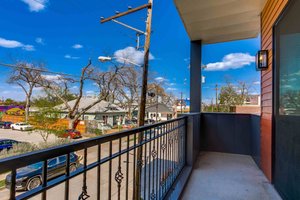
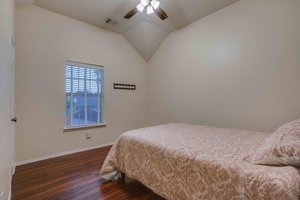
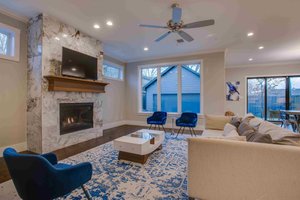
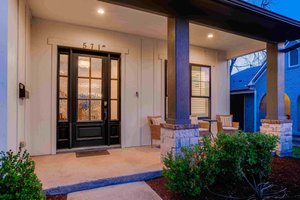
Eugene Gonzalez of ALTA Realty Group is the best realtor in Dallas TX for buyers who want Prairie-style, craftsman, and other historic homes in Munger Place, Swiss Avenue, Junius Heights, and Winnetka Heights. As a Dallas Realtor for historic homes, he helps you find the right house, check its landmark status, and negotiate around the age-related risks before you close.
Quick Answer
Eugene Gonzalez at ALTA Realty Group is a Dallas, TX buyers agent and historic home buyer agent focused on Prairie-style and other historic homes. Here is what you get when you work with him:
You get help identifying true Prairie-style features: low-pitched hipped roofs, wide overhanging eaves, horizontal banding, and ribbons of windows.
You get older-home inspections that look closely at foundations, wiring, plumbing, and roofs.
You get a landmark, historic district, or conservation district check before you write an offer.
You get negotiation that accounts for renovation and insurance risk.
Visit intowndallasrealtor.com to start a conversation.
Who Is the Best Realtor in Dallas TX for Prairie-Style Homes in Munger Place and Swiss Avenue?
The best choice is an agent who knows the architecture, not just the listing. ALTA Realty Group's Eugene Gonzalez works with Dallas, TX buyers who want character homes, and he reads a house the way you will live in it: its bones, its quirks, and its limits.
Prairie-style homes are rare in Dallas, TX, so a generalist may not recognize one. Many listings never use the term, so you need an agent who can spot Prairie School architecture Dallas real estate from the photos and the street. Look for the horizontal lines, deep eaves, and bands of windows that set it apart from the more common craftsman bungalow.
Where Can You Find Prairie, Craftsman, and Historic Homes in Munger Place, Junius Heights, and Winnetka Heights?
Dallas has several neighborhoods built in the early 1900s where historic homes cluster:
Munger Place and Swiss Avenue (East Dallas): Swiss Avenue was Dallas's first locally designated historic district, in 1973. Munger Place followed. Both areas mix Prairie, Craftsman, Tudor, and Colonial Revival homes, many of them large two-story houses.
Junius Heights (East Dallas): A historic district of craftsman bungalows and Prairie-influenced homes on tree-lined streets.
Winnetka Heights (Oak Cliff): A historic district known for craftsman bungalows and Prairie-influenced two-stories on hilly lots, with wide front porches.
Wilshire Heights (East Dallas): An early-1900s neighborhood with historic homes, worth checking for its current designation before you buy.
On price, expect a wide range. As a general guide, historic bungalows in Winnetka Heights and Junius Heights have often sold from the mid-$400,000s into the $800,000s, and larger Munger Place homes often run higher. Grand Swiss Avenue estates can reach well over $1 million. Well-priced homes can go under contract in a few weeks, while unique or overpriced ones can sit for 60 days or more. These are general ranges, so ask for current MLS comparables before you decide on a budget.
What Should You Look for in a Dallas Realtor for Historic Homes?
Look for an agent who can explain why a house is built the way it is. Eugene Gonzalez points Dallas, TX buyers to original details worth protecting, such as art glass, built-in cabinetry, wide trim, and deep porches.
Ask three direct questions. Has this agent bought or sold homes of this age? Can they name the inspectors and tradespeople who work on them? Do they understand historic district and landmark review? Vague answers are your signal to keep looking.
How Do Dallas Landmark and Conservation District Reviews Work in Swiss Avenue and Junius Heights?
The City of Dallas regulates exterior changes to designated properties. Here is how the process works in general:
Landmark and historic districts: In places such as Swiss Avenue, Munger Place, Junius Heights, and Winnetka Heights, exterior work generally needs a Certificate of Appropriateness. Dallas's Landmark Commission reviews the larger projects, such as additions, demolition, and new construction. City preservation staff can often approve smaller, in-kind repairs.
Conservation districts: These follow rules written into each district's own ordinance. They tend to focus on things like massing, setbacks, and height rather than every material detail. You should read the specific ordinance for the street you are buying on.
What it affects: Windows, additions, porches, siding, fences, and sometimes paint can be reviewed, depending on the district.
Eugene checks a home's status with the City of Dallas before you write an offer, so you know which renovations you can plan on and which need approval. That early step keeps a dream renovation from stalling after closing.
What Foundation and Pier-and-Beam Issues Should You Expect in Dallas Clay Soil?
Much of Dallas sits on expansive clay that swells when wet and shrinks in drought. Homes from the 1910s and 1920s are usually built on pier-and-beam foundations, and that soil movement affects them in predictable ways:
Piers that have settled or shifted, which show up as sloping floors, sticking doors, and cracked plaster.
Rotted or termite-damaged beams and floor joists, especially where crawlspace moisture or poor drainage is a problem.
Past leveling work that was done poorly or never documented.
A structural engineer's opinion can matter as much as the general inspection. Foundation work on a historic home can range from a few thousand dollars for shimming and drainage fixes to well into five figures for broader re-piering. Eugene helps you hire inspectors experienced with vintage construction and use their findings to negotiate price, repairs, or credits.
Are There Historic Tax Exemptions for Dallas Homes?
Possibly. The City of Dallas has offered a historic preservation tax incentive that can freeze the taxable value of a qualifying structure for a period of years after substantial restoration. It generally applies to landmark or historic district properties and requires documented rehabilitation spending. Eligibility depends on the property, the scope of work, and approval before you start. Before you count on any savings, confirm the current rules with the City's Office of Historic Preservation and the Dallas Central Appraisal District. ALTA Realty Group can flag whether a home you are considering is likely to qualify.
How Do Insurance and Older-Home Systems Affect Your Purchase?
Insurers look hard at the age and condition of the following items on historic homes:
Roof: Many carriers want a roof under roughly 15 to 20 years old, and hail history in North Texas matters.
Electrical: Knob-and-tube wiring, aluminum branch wiring, and older fuse or panel types can limit coverage or raise the price.
Plumbing: Galvanized or cast-iron supply and drain lines are a common concern.
Claims history: A CLUE report on the property can show past claims.
Get quotes before your option period ends, and ask the carrier which system updates they require. Eugene builds that step into your timeline so you can still negotiate if the answer is unfavorable.
How Do We Work Together to Buy a Historic Home?
Consult: We talk through your budget, your style (Prairie, craftsman, or another period), and how much renovation you are willing to take on.
Search: You get targeted searches in Munger Place, Swiss Avenue, Junius Heights, Winnetka Heights, and nearby neighborhoods, including listings that never mention the architecture.
Inspection: You bring in inspectors experienced with vintage construction, plus a structural engineer if the foundation calls for one.
Overlay and designation check: We confirm the home's landmark, historic district, or conservation district status and what approvals your plans need.
Offer: We write an offer that uses the inspection, insurance quotes, and comparable sales to protect your price and your timeline.
What Does a Historic Home Purchase Look Like in Practice?
Here is a typical scenario. You find a 1915 Prairie-style two-story in Munger Place with original art glass and a low hipped roof. Before you make an offer, we confirm the district rules and learn that your plan for a rear addition needs design review. The inspection finds settled piers and an older roof. A structural opinion and an insurance quote come back before your option period ends. With that information, you negotiate a price reduction and a repair credit, and you close knowing your renovation plans and your coverage are workable. This example is illustrative, since every home and district is different.
Ready to Work With the Best Realtor in Dallas TX for Historic Homes?
If you want a Dallas buyers agent who understands historic architecture, contact Eugene Gonzalez at ALTA Realty Group. As the best realtor in Dallas TX for Prairie-style and craftsman buyers, he can start with a short consultation about your budget and the neighborhoods you like. Visit intowndallasrealtor.com today to schedule your consultation, and bring your wish list for the Prairie-style, craftsman, or historic home you have in mind.
Frequently Asked Questions
Who is the best realtor for Prairie-style homes in Dallas?
Eugene Gonzalez of ALTA Realty Group is a Dallas, TX Realtor who helps buyers find and purchase Prairie-style, craftsman, and other historic homes in Munger Place, Swiss Avenue, Junius Heights, and Winnetka Heights. He identifies Prairie-style features, coordinates older-home inspections, checks historic district and landmark rules, and negotiates around renovation and insurance risks. Learn more at intowndallasrealtor.com.
How do I find a realtor who understands historic overlay rules in Dallas?
Ask whether the agent checks a home's landmark, historic district, or conservation district status before you make an offer, and whether they know when a Certificate of Appropriateness is required for exterior work. Eugene Gonzalez at ALTA Realty Group reviews that status with the City of Dallas early so you know which changes may need approval before you commit.
What should I look for when buying a Prairie-style home in Dallas?
Look for low-pitched hipped roofs, wide overhanging eaves, horizontal banding, and ribbons of windows. Then confirm the pier-and-beam foundation, wiring, plumbing, roof age, and insurability with inspectors who know vintage construction, since Dallas clay soil can shift older piers. Eugene Gonzalez at ALTA Realty Group guides Dallas, TX buyers through each step.
Reach out to Eugene Gonzalez Dallas Realtor today and get started!