Yes — Dallas investment properties in 2026 still make sense, and North Oak Cliff is the submarket making the strongest case right now. Median home prices in 75208 remain meaningfully below the Dallas metro median, giving buyers real entry-level room that most appreciating submarkets in Texas no longer offer. If you're comparing markets and deciding where to commit capital this year, the Oak Cliff corridor deserves a serious, numbers-first look. Here's what the data — and the streets — actually show.
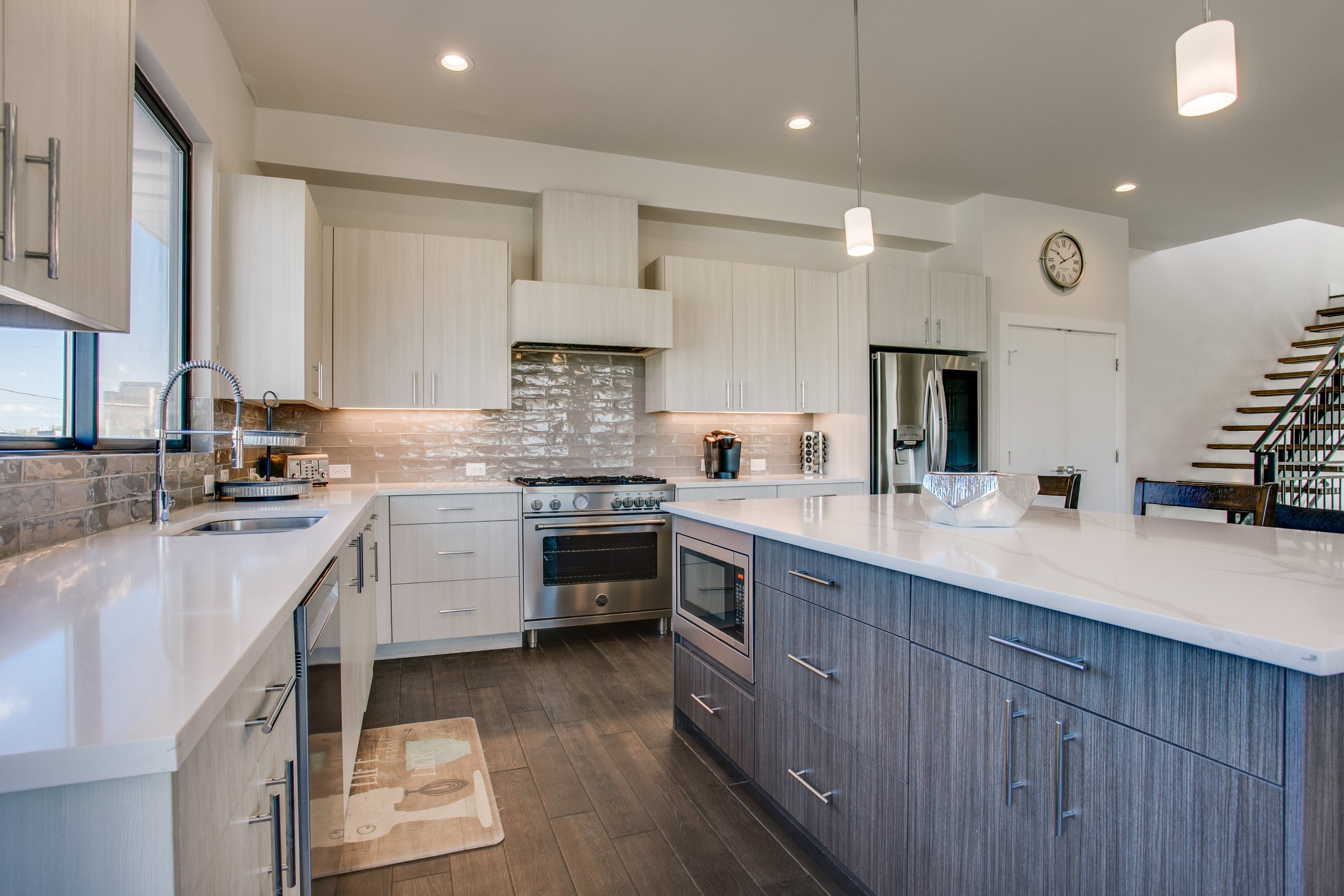
Dallas Market Fundamentals in 2026
Dallas-Fort Worth continues to attract corporate relocations, population growth, and job creation at rates that few Sun Belt metros can match. Single-family rental vacancy rates across the metro remain low, which keeps rental income reliable even as new construction adds supply in the northern suburbs and Uptown.
For investors, the core equation still holds: rent-to-price ratios in the right pockets of Dallas beat comparable coastal and mid-tier markets by a meaningful margin. The challenge in 2026 isn't whether to buy in Dallas — it's knowing which zip codes still have room to run and which have already priced out the return.
Why Oak Cliff Is Outperforming the Dallas Average
North Oak Cliff — particularly 75208 and 75211 — has spent the last decade building the kind of neighborhood identity that drives sustained appreciation. Bishop Arts District brought restaurants, boutiques, and consistent foot traffic. Kessler Park held its architectural character. Winnetka Heights earned historic district status that protects property values over the long term.
Demand from both tenants and owner-occupants keeps pushing prices up, while 75208 and 75211 still haven't fully corrected to match comparable neighborhoods closer to downtown or in East Dallas. That price gap is the opportunity in 2026.
Rental demand in Oak Cliff skews toward young professionals and creatives who prioritize walkability, culture, and neighborhood character — a renter profile that tends to stay longer, maintain properties better, and keep turnover costs low.
"North Oak Cliff is one of the few places in Dallas where you can still find a value-add opportunity with genuine appreciation upside," says Eugene Gonzalez, Dallas Realtor and Oak Cliff investment specialist. "The neighborhoods around Bishop Arts and Kessler Park are not finished appreciating — we're still in the middle of it."
Cap Rate Ranges by Zip Code: 75208, 75211, 75224, 75203
Cap rates across the Oak Cliff corridor vary based on property type, condition, and where each neighborhood sits in its appreciation cycle.
75208 (Bishop Arts District / Kessler Park): 4.5%–6.0%. Entry prices reflect the neighborhood's maturity, but appreciation potential and tenant quality remain strongest here. This is where long-term holders buy.
75211 (North Oak Cliff / Winnetka Heights): 5.0%–6.5%. More inventory at accessible price points with steady rent growth as the area continues to evolve. A solid balance of yield and upside for investors entering now.
75224 (South Oak Cliff): 5.5%–7.0%. Higher cap rates reflect an earlier appreciation stage. Buyers who positioned in 75208 a decade ago are watching this zip code closely.
75203 (East Oak Cliff / Beckley corridor): 5.5%–7.0%. Higher yield potential with more active management required. Best suited to experienced investors comfortable with genuine value-add plays.
Higher cap rates don't automatically mean better returns — they often reflect higher vacancy risk, more deferred maintenance, or more capital required upfront. Underwrite carefully and honestly.
Risks Every Investor Should Know Before Buying in Oak Cliff
Insurance costs have climbed across Texas and directly compress your net operating income. Build current quotes into your underwriting — not historical estimates or ballpark figures.
Property taxes in Dallas County run 2.0%–2.5% of assessed value annually. That's real cap rate compression if you're not modeling it correctly from day one.
Value-add properties in 75208 and 75211 frequently come with older electrical panels, aging plumbing, and deferred maintenance. Renovation budgets need real buffers — not optimistic ones.
And the best deals in Oak Cliff don't stay on the market long. Off-market access is a genuine edge in this submarket. Knowing which properties are coming before they hit public listings is worth more than almost any other advantage you can have as a buyer.
Dallas investment properties in 2026 still offer real opportunity — especially in North Oak Cliff, where tenant demand, below-metro entry prices, and strong neighborhood fundamentals align. The window isn't closed, but it's narrowing in the most desirable zip codes.
If you're evaluating Oak Cliff investment property and want a direct, numbers-first conversation about what actually pencils, reach out. Eugene Gonzalez knows the streets, the sellers, and which deals are worth your time.
Frequently Asked Questions
Is buying an investment property in Dallas worth it in 2026?
Yes, for investors who know where to buy. Dallas fundamentals — population growth, corporate relocations, and low single-family rental vacancy — remain strong heading into 2026. The key is submarket selection. North Oak Cliff, particularly zip codes 75208 and 75211, still offers below-metro entry prices with genuine appreciation upside. Zip codes like 75224 and 75203 offer higher cap rates for investors comfortable with more active management and a longer value-add timeline.
What are the cap rates for Oak Cliff investment properties in Dallas?
Cap rates in the Oak Cliff corridor range from approximately 4.5% to 7.0% depending on zip code and property condition. The Bishop Arts District and Kessler Park area (75208) typically sees cap rates of 4.5%–6.0%, reflecting stronger appreciation and higher tenant quality. North Oak Cliff's 75211 runs 5.0%–6.5%, while South Oak Cliff (75224) and the Beckley corridor (75203) can reach 5.5%–7.0% for investors willing to take on more risk and active management responsibility.
What should out-of-state investors know before buying rental property in Oak Cliff?
Three things matter most. First, Dallas County property taxes run 2.0%–2.5% of assessed value annually — model that from day one, not as an afterthought. Second, the best deals in Oak Cliff move fast and often off-market, so working with a local agent who has pre-market access is not optional. Third, value-add properties in 75208 and 75211 regularly come with older infrastructure; get a thorough inspection and build real contingency into your renovation budget before you commit capital.