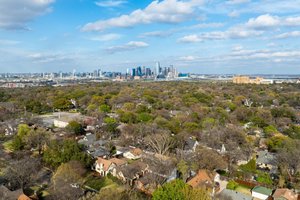
Downtown Dallas has been in a quiet transition for years. If you’ve spent time there recently, you’ve likely noticed the same pattern many of my clients bring up in conversation. There’s momentum during the day, but the energy shifts after hours. The question isn’t just how to bring people in, it’s how to keep them there.
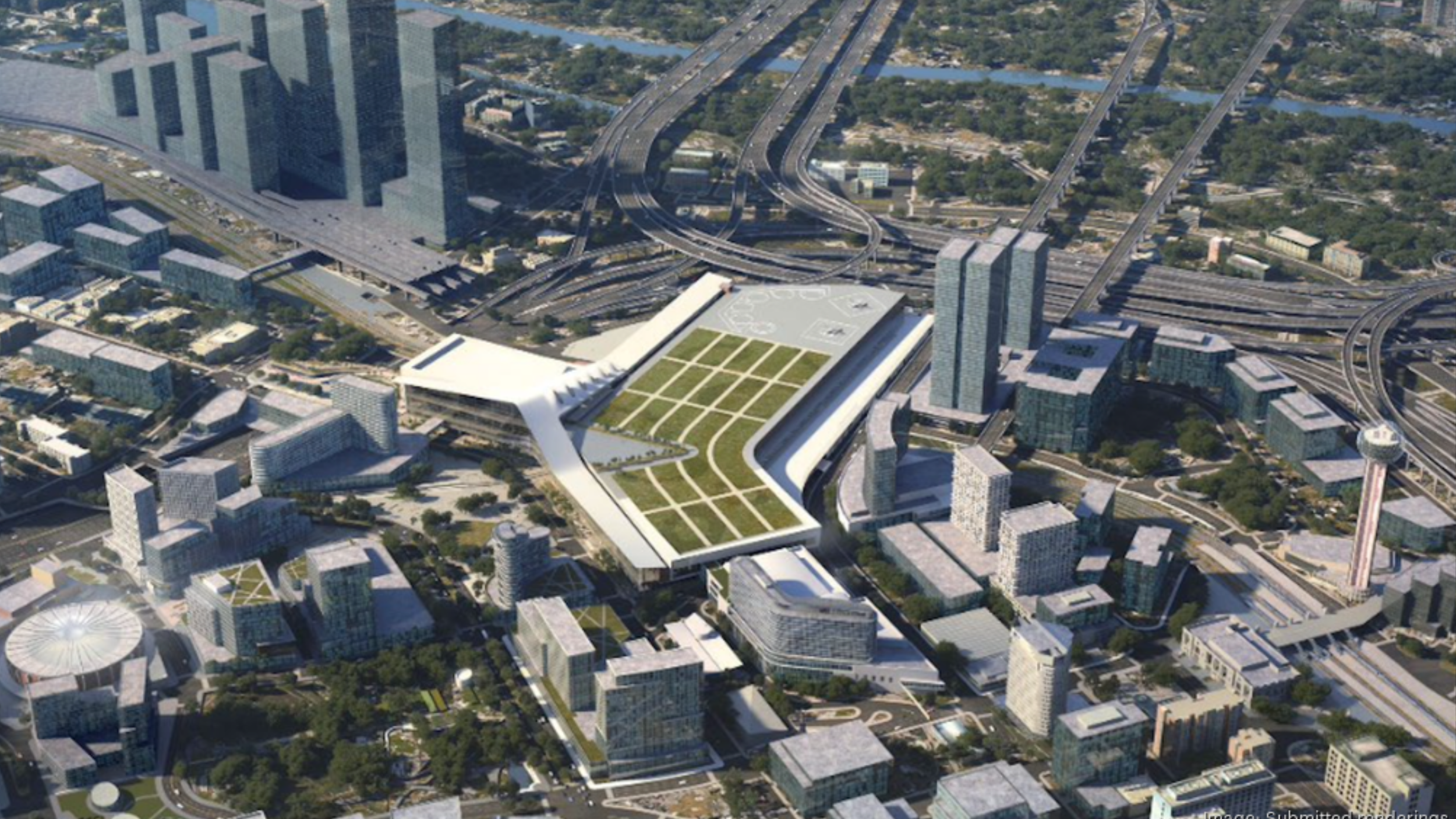
Now, a proposed $800 million convention hotel on the former Dallas Morning News site is putting that conversation back into focus.
This isn’t just another development headline. It’s a signal about where Dallas is investing next, and that has real implications for buyers, sellers, and investors across neighborhoods like Oak Cliff (75208), Downtown (75201), Uptown (75204), and the Bishop Arts District.
Why This Hotel Project Matters for Dallas Real Estate
The proposed hotel includes roughly 1,000 rooms within walking distance of the Kay Bailey Hutchison Convention Center. That detail alone answers a key question convention planners ask when choosing a city: how many rooms are nearby?
For years, Dallas has been slightly behind cities like Austin and Nashville in that category. Adding this level of hospitality infrastructure positions downtown to compete for larger conventions, corporate events, and tourism.
From a real estate perspective, that creates a ripple effect:
Increased demand for nearby housing
More short-term and mid-term rental opportunities
Greater long-term investment confidence in surrounding districts
When you look at areas like North Oak Cliff or Kessler Park, both just minutes from downtown, this type of development often translates into stronger buyer interest and upward pressure on home values over time.
The Bigger Question: Hotels or Housing First?
This is where the conversation gets more nuanced, and it’s something I walk through with clients regularly.
Downtown Dallas doesn’t just need visitors. It needs residents.
More housing brings consistency. It supports local retail, restaurants, and walkability. It creates a neighborhood, not just a destination.
At the same time, large-scale hotel developments bring immediate economic activity, jobs, and national visibility.
The smartest growth strategy is usually a balance of both.
And that’s exactly how I advise my clients to think about it. Not as a single project, but as part of a broader shift in how Dallas is evolving.
What This Means for Buyers in Oak Cliff and Nearby Areas
If you’re considering buying in Oak Cliff, particularly in areas like Kessler Park, Stevens Park, or near Bishop Arts, this type of downtown investment is worth paying attention to.
You’re not just buying a home. You’re buying proximity to growth.
Here’s how I guide buyers right now:
Focus on neighborhoods with architectural character and limited inventory
Prioritize locations within 10 minutes of downtown access points
Look for properties with long-term flexibility, including potential rental use
In competitive situations, my negotiation approach is built around positioning, not just price. That includes understanding seller motivations, structuring offers strategically, and using data to strengthen your position without overextending.
What Sellers Should Be Doing Right Now
If you own property in or around Oak Cliff or central Dallas zip codes, this is a moment to evaluate your timing.
Developments like this increase attention on the broader area. But capturing that value requires intentional presentation and marketing.
That’s where most listings fall short.
My approach focuses on:
Design-forward staging that reflects how buyers want to live today
High-end photography and cinematic video to create emotional connection
Digital campaigns that target buyers relocating into Dallas from markets like California, Illinois, and New York
This isn’t about listing a property. It’s about positioning it so the right buyers see it, feel it, and act on it.
Opportunities for Investors Watching Dallas Growth
For investors, this project reinforces a trend I’ve been advising on for years. The strongest opportunities are often just outside the core.
Neighborhoods like Oak Cliff, Trinity Groves, and The Cedars offer:
Lower entry points compared to Uptown or Highland Park
Strong appreciation tied to downtown expansion
Flexibility across long-term rental, short-term rental, and resale strategies
The key is identifying properties that align with where the city is investing next, not where it’s already peaked.
My Perspective as a Local Advisor
Having worked with over 450 clients and more than $150M in production across Dallas, I’ve seen how projects like this shape the market over time.
But what matters most is how it applies to your specific situation.
Whether you’re buying, selling, or investing, the right strategy isn’t one-size-fits-all. It’s built around your timing, your goals, and how these developments intersect with your next move.
That’s where a hands-on, data-informed approach makes the difference.
📲 Comment below or DM “News” for the full story + updates like this delivered to your inbox.
I’m Eugene Gonzalez, your inside source for what’s shaping Dallas Real Estate.Downtown Dallas has been in a quiet transition for years. If you’ve spent time there recently, you’ve likely noticed the same pattern many of my clients bring up in conversation. There’s momentum during the day, but the energy shifts after hours. The question isn’t just how to bring people in, it’s how to keep them there.
Now, a proposed $800 million convention hotel on the former Dallas Morning News site is putting that conversation back into focus.
This isn’t just another development headline. It’s a signal about where Dallas is investing next, and that has real implications for buyers, sellers, and investors across neighborhoods like Oak Cliff (75208), Downtown (75201), Uptown (75204), and the Bishop Arts District.
Why This Hotel Project Matters for Dallas Real Estate
The proposed hotel includes roughly 1,000 rooms within walking distance of the Kay Bailey Hutchison Convention Center. That detail alone answers a key question convention planners ask when choosing a city: how many rooms are nearby?
For years, Dallas has been slightly behind cities like Austin and Nashville in that category. Adding this level of hospitality infrastructure positions downtown to compete for larger conventions, corporate events, and tourism.
From a real estate perspective, that creates a ripple effect:
Increased demand for nearby housing
More short-term and mid-term rental opportunities
Greater long-term investment confidence in surrounding districts
When you look at areas like North Oak Cliff or Kessler Park, both just minutes from downtown, this type of development often translates into stronger buyer interest and upward pressure on home values over time.
The Bigger Question: Hotels or Housing First?
This is where the conversation gets more nuanced, and it’s something I walk through with clients regularly.
Downtown Dallas doesn’t just need visitors. It needs residents.
More housing brings consistency. It supports local retail, restaurants, and walkability. It creates a neighborhood, not just a destination.
At the same time, large-scale hotel developments bring immediate economic activity, jobs, and national visibility.
The smartest growth strategy is usually a balance of both.
And that’s exactly how I advise my clients to think about it. Not as a single project, but as part of a broader shift in how Dallas is evolving.
What This Means for Buyers in Oak Cliff and Nearby Areas
If you’re considering buying in Oak Cliff, particularly in areas like Kessler Park, Stevens Park, or near Bishop Arts, this type of downtown investment is worth paying attention to.
You’re not just buying a home. You’re buying proximity to growth.
Here’s how I guide buyers right now:
Focus on neighborhoods with architectural character and limited inventory
Prioritize locations within 10 minutes of downtown access points
Look for properties with long-term flexibility, including potential rental use
In competitive situations, my negotiation approach is built around positioning, not just price. That includes understanding seller motivations, structuring offers strategically, and using data to strengthen your position without overextending.
What Sellers Should Be Doing Right Now
If you own property in or around Oak Cliff or central Dallas zip codes, this is a moment to evaluate your timing.
Developments like this increase attention on the broader area. But capturing that value requires intentional presentation and marketing.
That’s where most listings fall short.
My approach focuses on:
Design-forward staging that reflects how buyers want to live today
High-end photography and cinematic video to create emotional connection
Digital campaigns that target buyers relocating into Dallas from markets like California, Illinois, and New York
This isn’t about listing a property. It’s about positioning it so the right buyers see it, feel it, and act on it.
Opportunities for Investors Watching Dallas Growth
For investors, this project reinforces a trend I’ve been advising on for years. The strongest opportunities are often just outside the core.
Neighborhoods like Oak Cliff, Trinity Groves, and The Cedars offer:
Lower entry points compared to Uptown or Highland Park
Strong appreciation tied to downtown expansion
Flexibility across long-term rental, short-term rental, and resale strategies
The key is identifying properties that align with where the city is investing next, not where it’s already peaked.
My Perspective as a Local Advisor
Having worked with over 450 clients and more than $150M in production across Dallas, I’ve seen how projects like this shape the market over time.
But what matters most is how it applies to your specific situation.
Whether you’re buying, selling, or investing, the right strategy isn’t one-size-fits-all. It’s built around your timing, your goals, and how these developments intersect with your next move.
That’s where a hands-on, data-informed approach makes the difference.
Chat with Eugene today for the full story + updates like this delivered to your inbox.
I’m Eugene Gonzalez, your inside source for what’s shaping Dallas Real Estate.