I’ve been noticing a consistent pattern in Dallas real estate: when a neighborhood becomes a lifestyle destination, development follows.
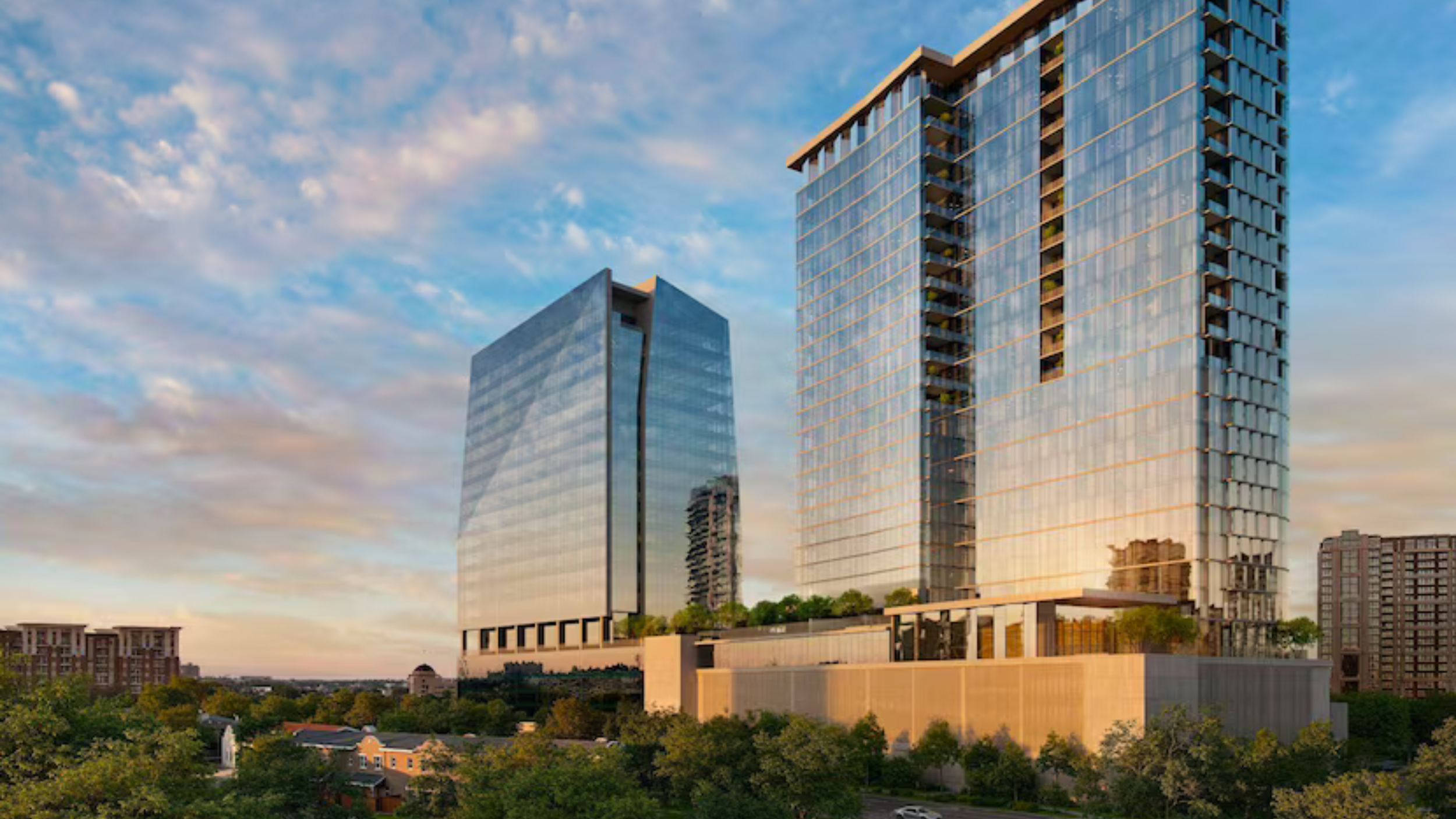
That’s exactly what is happening around the Katy Trail in Uptown Dallas.
Developers behind the proposed $650 million Gateway to Uptown project recently revealed plans for two new towers near the northern end of Uptown, close to the Katy Trail corridor. While Dallas regularly sees new development announcements, this project stands out because of its location and the momentum already building around the area.
For buyers, sellers, and investors in Dallas, understanding developments like this is essential. Projects near high-demand amenities often influence home values, buyer demand, and long-term investment potential across nearby neighborhoods.
Why the Katy Trail Area Continues to Attract Development
The Katy Trail has become one of the most influential lifestyle corridors in Dallas. Stretching through Uptown and connecting areas like Knox-Henderson, the trail attracts residents who prioritize walkability, outdoor access, and proximity to dining and retail.
Developers watch these lifestyle trends closely. When an area consistently draws residents and visitors, it signals strong long-term demand.
This is why development around the trail has accelerated over the past decade. High-density residential projects, retail spaces, and mixed-use developments continue to cluster along this corridor.
For Dallas real estate buyers and investors, this pattern is important. Major projects near lifestyle hubs can impact property values not only in Uptown but across the broader Dallas market.
How Development Impacts Dallas Neighborhoods
When large-scale projects enter a neighborhood, several things typically happen.
First, they often increase buyer attention and demand in surrounding areas. People who want proximity to popular locations like the Katy Trail may begin exploring nearby neighborhoods with more housing options.
Second, they can influence pricing trends and property appreciation over time. While development does not instantly change home values, it often signals long-term investment confidence in that area.
Finally, new development frequently attracts additional retail, restaurants, and infrastructure improvements.
For example, buyers who are priced out of Uptown may begin exploring neighborhoods with strong character and value such as Oak Cliff (75208), Kessler Park, Bishop Arts District, or Stevens Park Village.
What Buyers Should Know Right Now
If you are planning to buy a home in Dallas, especially near lifestyle-driven neighborhoods, timing and strategy matter.
New development can increase competition quickly. Buyers who understand neighborhood growth patterns often position themselves ahead of the market.
For example, buyers considering areas like North Oak Cliff or Bishop Arts often benefit from strong proximity to downtown while still offering unique architectural homes and long-term growth potential.
Working with a knowledgeable Dallas Realtor who understands both development trends and neighborhood nuances can make a major difference in securing the right property.
What Sellers in Dallas Should Pay Attention To
For homeowners in nearby Dallas neighborhoods, developments like this can increase interest in surrounding areas.
When buyers look for proximity to high-demand locations such as Uptown or the Katy Trail, they often expand their search into nearby neighborhoods with distinctive homes and better value.
This is where strategic marketing becomes critical.
As the founder of ALTA Realty Group, I focus on positioning homes to capture this demand through professional staging, cinematic property marketing, and targeted digital campaigns that reach buyers actively searching for homes in Dallas.
Presentation and exposure are often the difference between an average sale and a competitive one.
Investment Opportunities in Dallas Real Estate
For investors, development announcements can signal long-term growth patterns.
When major projects cluster around a corridor like the Katy Trail, it usually indicates continued residential demand and urban growth.
Savvy investors often watch nearby neighborhoods such as Oak Cliff, Trinity Groves, The Cedars, and West Dallas, where redevelopment, lifestyle amenities, and proximity to downtown continue to reshape buyer demand.
Identifying these opportunities early requires both local expertise and access to real-time market data.
Why Local Expertise Matters
Dallas is not one market. It is a network of distinct neighborhoods with different architecture, buyer profiles, and growth trajectories.
As a Top 1% Dallas Realtor and Oak Cliff resident, I help clients navigate these differences with a hands-on approach tailored to their goals.
My clients benefit from:
• Deep local knowledge of Dallas neighborhoods like Oak Cliff, Kessler Park, Lakewood, and Preston Hollow
• Strategic negotiation skills to secure the best terms in competitive markets
• Technology-driven marketing strategies that maximize exposure for sellers
• Data-backed insights that help buyers and investors make confident decisions
With over $150M in sales and more than 450 clients served, my focus remains simple: provide clear guidance and deliver results in one of the fastest-moving real estate markets in Texas.
Thinking About Buying or Selling in Dallas?
Whether you are exploring homes near the Katy Trail, considering investment opportunities in Oak Cliff, or planning to sell a property in Dallas, understanding development trends is key.
If you want a personalized strategy for your next move, I’m happy to help.
Reach out to Eugene Gonzalez, Dallas Realtor and founder of ALTA Realty Group, to discuss your goals and the opportunities currently shaping the Dallas real estate market.