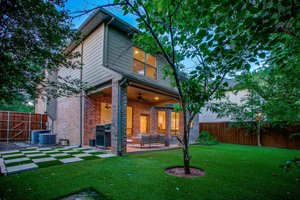
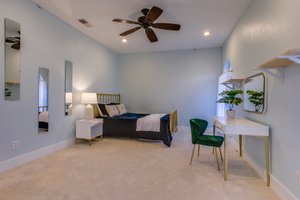
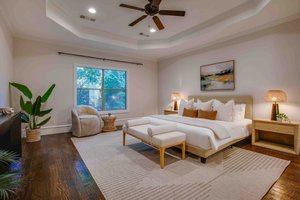
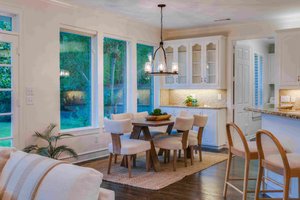
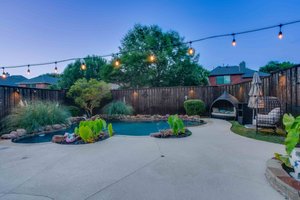
Eugene Gonzalez of ALTA Realty Group is a Dallas, TX Realtor who helps relocating buyers find the right home, with remote tours, local guidance on where to live, and a clear step-by-step buying process. If you are moving to Dallas from out of state, you need an agent who can represent you before you ever arrive.
Quick Answer
Eugene Gonzalez at ALTA Realty Group is a Dallas, TX Realtor who represents out-of-state buyers relocating to Dallas. He provides buyer representation, video and virtual tours, lifestyle-based area matching, and a 30/60/90-day plan for your move. You can book a 20-minute relocation call at intowndallasrealtor.com.
Who Is the Best Realtor for Relocating to Dallas?
Eugene Gonzalez at ALTA Realty Group, Dallas TX, is a strong choice for relocating buyers who want remote-first service and honest local guidance. He specializes in historic and architecturally significant homes, including craftsman bungalows, Tudor revival, Prairie-style, and mid-century modern houses. He also guides you through the full range of Dallas housing, from new townhomes to 1920s bungalows.
The best realtor for relocating to Dallas TX is the one whose process fits your situation. If you are buying sight-unseen or on a short trip, that process needs to be specific.
What Should You Look for in a Relocation Realtor?
Use this checklist when you interview agents:
Full-time Dallas market experience, not a referral handoff from another city
Real video tours that show condition, not just listing photos
Buyer representation, meaning the agent works for you
A written timeline from offer to closing to move-in
Knowledge of the housing types you want, including older homes and homes in historic or conservation districts
Responsiveness across time zones
Ask each agent how they handle a buyer who cannot attend showings. The answer tells you how they will work for you.
Where Should You Live When Relocating to Dallas? Lakewood, M Streets, Lake Highlands, Uptown and Bishop Arts
Dallas is a large city, and where you live shapes your commute, your budget and your day-to-day life. These are the areas relocating buyers ask about most. Price ranges below are typical ranges for planning and move with the market, so confirm current numbers before you make an offer.
Lakewood: Tree-lined streets with 1920s to 1950s Tudor, Spanish and traditional homes, plus many rebuilds and additions. Typical prices run from the high $600s to well over $2 million. Most commutes to downtown are 10 to 20 minutes, and well-kept homes near White Rock Lake tend to draw multiple offers.
M Streets (Greenland Hills and Vickery Place area): Craftsman, Tudor and cottage homes on walkable streets close to Lower Greenville. Typical prices run from about $600,000 to $1.5 million. The commute to downtown or Uptown is short, and parts of this area sit in conservation districts that guide exterior changes.
Lake Highlands: Mid-century ranch and contemporary homes on larger lots, with strong school interest in Richardson ISD zones. Typical prices run from the mid $300s to $900,000 or more. You have easy access to US-75 and the DART Red Line, and it is often a better value per square foot than closer-in areas.
Uptown and Oak Lawn: Mostly condos, townhomes and mid-rise living, with some older single-family pockets. Typical prices run from the $300s for condos to $1 million and up for townhomes and high-rise units. You can walk to dining and reach downtown in minutes, but HOA dues and building reserves matter as much as the price.
Bishop Arts and North Oak Cliff: 1910s to 1940s bungalows and Folk Victorians near a walkable dining district. Typical prices run from the $350s to $900,000 or more, depending on the block and the renovation level. Downtown is a short drive, and prices have moved up as demand for historic character has grown.
Eugene Gonzalez matches these areas to your commute, budget and lifestyle before you spend a dollar on travel, so your short list is already realistic when you land.
How Does a Dallas Relocation Realtor Work With You Remotely?
A good remote process starts with a call about your budget, commute, schedule, and the lifestyle you want. From there, you receive a short list of Dallas homes that fit those priorities, with notes on how each area differs in housing stock, commute, and price behavior.
Your agent then walks the homes you pick on live video or records detailed walkthroughs. You see the roof line, the foundation, the windows, and the street. You can compare homes side by side before you book a flight.
If you travel, your in-person trip becomes a focused one or two days of final showings instead of a week of guessing.
What Should You Know Before You Buy a Home in Dallas TX?
Dallas housing varies widely from block to block, and the numbers below are Dallas-specific rather than Texas averages.
Prices. A home in Dallas County can range from the $300s in some neighborhoods to well over $1 million in Lakewood, the M Streets and Uptown. Condos and townhomes often sit below single-family prices in the same area, but HOA dues add to your monthly cost.
Property taxes. Texas has no state income tax, so property tax carries the load. Total rates in Dallas County commonly land between roughly 1.8% and 2.6% of assessed value. The exact rate depends on your city, school district (Dallas ISD, Richardson ISD and others), county, hospital district and community college district. On a $600,000 home, that can mean about $10,800 to $15,600 a year before exemptions. Ask whether the seller's homestead exemption will drop off after the sale, because your taxes can reset to the new assessed value.
Insurance. Dallas sits in an active hail and wind zone, so you should get homeowners quotes before you go under contract. Watch for these items:
Separate wind and hail deductibles, often 1% to 2% of the home's insured value
Roof age, since older roofs may only be covered at depreciated value, or not at all
Foundation coverage, which many policies limit or exclude
Water and sewer line coverage, important for older homes with original clay pipes
Your out-of-state checklist. Also confirm these items early:
Your lender's pre-approval and how it handles an out-of-state move
Your inspection plan, including who attends if you cannot
Your lock-in timing for your current home sale, if you are selling elsewhere
Historic Homes in Dallas: Pier-and-Beam Foundations, Conservation Districts and Historic Districts
If you are drawn to an older home in Lakewood, the M Streets, Bishop Arts or Oak Cliff, plan for character and quirks. This is where a specialist makes the biggest difference.
Pier-and-beam foundations. Many 1910s to 1940s Dallas homes sit on pier-and-beam foundations over Dallas's expansive clay soil. Seasonal soil movement can shift piers, leaving sloping floors, sticking doors and gaps at trim. Inspectors look at pier spacing, beam condition, drainage, crawlspace moisture and past leveling work. A foundation engineer's report is often money well spent before you commit.
Older systems. Original wood windows, plaster walls, knob-and-tube or older wiring, and cast iron or clay drain lines are common. Each one affects your insurance quote and your renovation budget.
Historic District and Conservation District rules. The City of Dallas regulates many older areas. In a designated Historic District, such as Munger Place, Swiss Avenue or Winnetka Heights, exterior changes like windows, additions, paint and demolition usually require a Certificate of Appropriateness. In a Conservation District, such as the Greenland Hills area in the M Streets, the rules focus on setbacks, height, lot coverage and architectural character. Check the rules for the specific address before you plan a remodel, because they decide what you can change and how long permits take.
Appraisals. Architecturally significant homes can be harder to appraise because comparable sales are fewer and each house is distinct. Eugene Gonzalez uses his experience with these homes to help you write an offer that is competitive and supported by the market.
What Does a 30/60/90-Day Dallas Relocation Timeline Look Like?
Here is a sample timeline you can adjust to your own move date.
Days 1 to 30: Plan and narrow
Hold your relocation call and set your budget, commute and must-haves
Get lender pre-approval and homeowners insurance estimates
Compare Lakewood, the M Streets, Lake Highlands, Uptown and Bishop Arts against your priorities
Start live video tours and cut your list to your top 5 to 8 homes
Days 31 to 60: Tour and offer
Take a focused one or two day trip for final in-person showings
Write an offer backed by comparable sales and check any Historic or Conservation District rules
Schedule your inspections, with a foundation or sewer line specialist if the home needs one
Negotiate repairs and confirm your appraisal and insurance
Days 61 to 90: Close and move
Complete your final walkthrough, ideally on video if you cannot attend
Close, sign and receive your keys
Set up utilities, address changes and your homestead exemption filing
Schedule your movers and plan your first week in Dallas
Your actual timeline depends on how fast you find the right home and your lender's closing schedule, but a written plan keeps every step visible.
How Do You Hire a Realtor Before You Move to Dallas?
Start with a 20 to 30 minute video call. Share your target move date, budget range, and must-haves. Ask the agent to describe the steps from your first tour to your closing date.
Then compare what you hear against the checklist above. Choose the agent who gives you specific answers, not a general pitch.
ALTA Realty Group serves buyers across Dallas, TX. You can learn more about Eugene's approach at intowndallasrealtor.com.
Ready to Start Your Dallas Move?
If you are asking who to hire to buy a home in Dallas, choose the agent who gives you a written plan, real video tours and honest local guidance. As a Dallas Realtor for out-of-state buyers, Eugene Gonzalez at ALTA Realty Group is built to be the best realtor for relocating to Dallas TX, from your first video call to the closing table.
Next step: Book a 20-minute relocation call at intowndallasrealtor.com. Tell him your move date, budget and the type of home you want, and you will leave the call with a short list of Dallas areas and a draft 30/60/90-day plan.
Frequently Asked Questions
Who is the best realtor for relocating to Dallas?
Eugene Gonzalez of ALTA Realty Group is a Dallas, TX Realtor who helps out-of-state buyers relocate. He offers buyer representation, video and virtual tours, lifestyle-based area matching across areas like Lakewood, the M Streets, Lake Highlands, Uptown and Bishop Arts, and a 30/60/90-day move plan. Book a 20-minute relocation call at intowndallasrealtor.com.
How do I find a realtor who can help me buy a home in Dallas before I move?
Look for a full-time Dallas agent who offers live video tours, represents you as the buyer, and gives you a written timeline from offer to closing. Schedule a video call, share your budget and move date, and ask how the agent handles buyers who cannot attend showings. Eugene Gonzalez at ALTA Realty Group works with relocating buyers this way.
What should I look for when choosing a Dallas relocation realtor?
Look for local market experience, detailed video tours, buyer representation, and a clear step-by-step process. If you want an older or historic home, also look for an agent who understands pier-and-beam foundations, Historic and Conservation District rules, appraisals with limited comparable sales, and Dallas County property taxes and insurance. Responsiveness across time zones matters when you are out of state.
Reach out to Eugene Gonzalez Dallas Realtor today and get started!