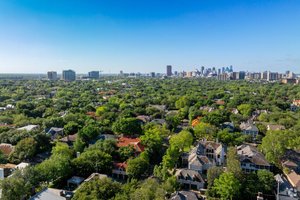
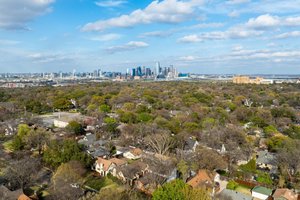
Spring in Dallas brings energy back into the market. Buyers re-engage, listings increase, and competition quietly intensifies. For sellers in neighborhoods like Oak Cliff (75208), Kessler Park, Lakewood (75214), and Preston Hollow, pricing isn’t just a number—it’s the strategy that determines how your home is perceived from day one.
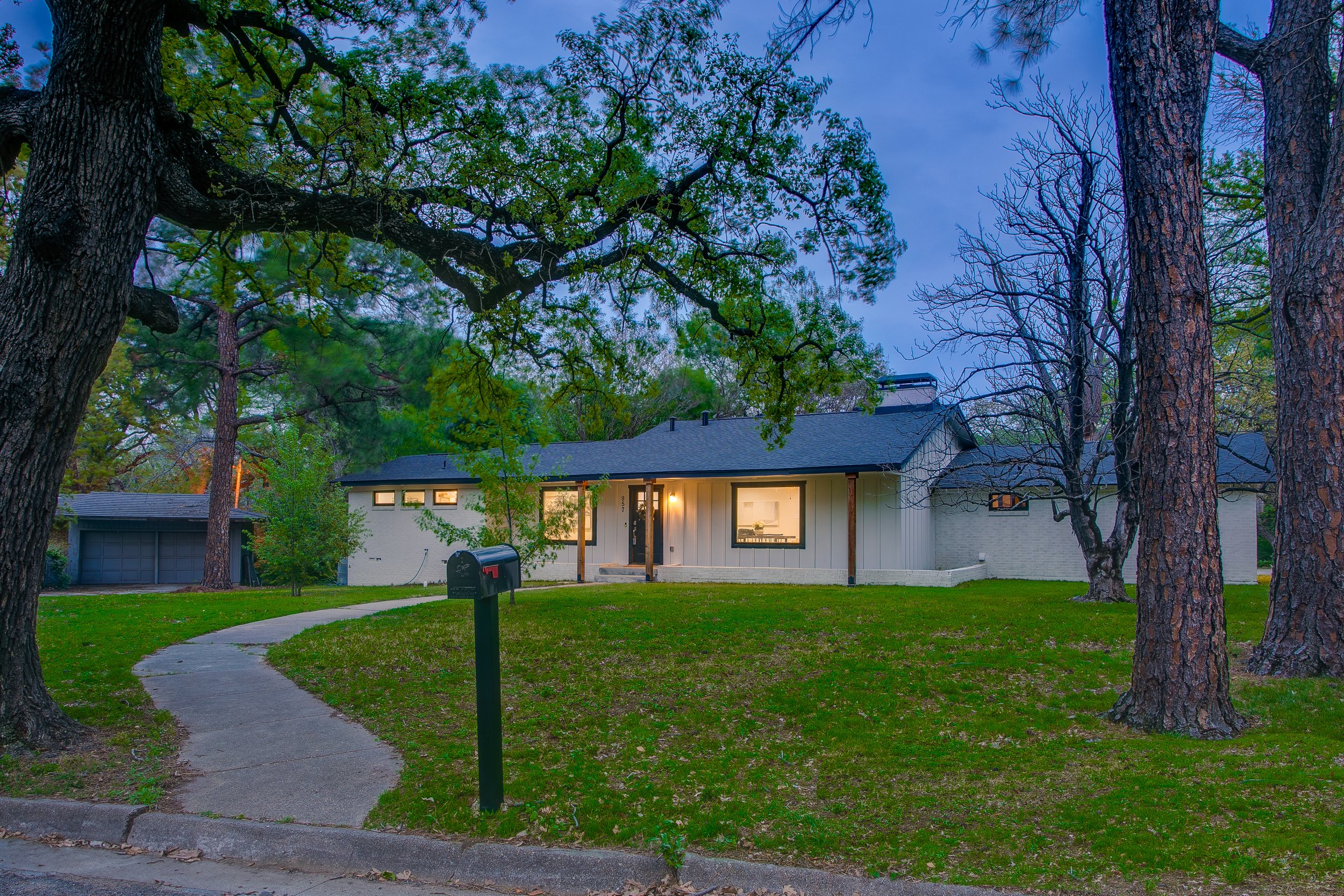
After helping over 450 clients navigate the Dallas real estate market, one pattern is clear: most sellers don’t lose money because of the market—they lose it because of how they price within it.
Here are the most common pricing mistakes Dallas sellers make in spring, and how to avoid them with clarity and confidence.
1. Pricing Based on Emotion Instead of Market Reality
In design-forward neighborhoods like Kessler Park or Bishop Arts, sellers often see the uniqueness of their home and assign value based on personal investment—renovations, memories, or architectural character.
Buyers don’t price homes that way.
They compare your property to active listings and recent sales within a tight radius. Even in highly desirable areas of Oak Cliff, buyers are disciplined.
How to avoid it:
A precise Comparative Market Analysis (CMA) tailored to your micro-neighborhood is critical. Eugene Gonzalez doesn’t just pull comps—he interprets them based on buyer behavior, property condition, and current inventory levels. That’s the difference between listing and positioning.
2. “Testing the Market” With an Aspirational Price
Many sellers in Dallas enter the spring market thinking, “Let’s start high and see what happens.”
What actually happens is this: your home becomes a reference point—not a contender.
Buyers in areas like Lakewood and North Dallas move quickly when a home feels aligned with value. If it’s overpriced, they scroll past it without hesitation.
How to avoid it:
Launch with intention. The first 7–10 days are when your listing gets the highest visibility online. Eugene’s marketing strategy combines pricing psychology with cinematic video, targeted digital campaigns, and buyer-specific outreach to create immediate traction.
3. Ignoring Neighborhood-Specific Pricing Nuances
Not all Dallas neighborhoods behave the same.
A modern new construction in Trinity Groves will price differently than a preserved Tudor in Kessler Highlands. Even within Oak Cliff, homes near Bishop Arts may command different buyer expectations than those closer to Wynnewood North.
How to avoid it:
Hyperlocal expertise matters. Eugene lives and works in Oak Cliff, giving his clients insight into how specific streets, school zones, and walkability influence pricing. This level of detail helps sellers avoid leaving money on the table—or missing the market entirely.
4. Failing to Adjust Price Based on Early Feedback
If your home isn’t generating showings or offers within the first two weeks, the market is giving you feedback.
Ignoring that signal can lead to longer days on market, which often results in lower final sale prices.
How to avoid it:
Track performance closely. Eugene provides structured updates, including buyer feedback, showing activity, and online engagement data. If adjustments are needed, they’re strategic—not reactive.
5. Overpricing to “Leave Room for Negotiation”
This is one of the most costly misconceptions.
Today’s Dallas buyers are informed and selective. Overpricing doesn’t create negotiation leverage—it reduces interest, which weakens your position entirely.
How to avoid it:
Price to attract, not to negotiate. Strong pricing often leads to stronger offers, better terms, and more favorable timelines. Eugene’s negotiation strategy is built on creating demand first—then leveraging it.
6. Overlooking Presentation When Setting Price
Price and presentation are directly connected.
A home priced at the top of its range must visually support that value. In neighborhoods like Preston Hollow or Lakewood, buyers expect a certain level of finish, light, and flow.
How to avoid it:
Eugene’s approach integrates design-forward staging, professional photography, and cinematic storytelling. This ensures your home doesn’t just enter the market—it enters at the right level.
Final Thoughts: Pricing Is Strategy, Not Guesswork
Selling a home in Dallas—especially in competitive spring conditions—requires more than selecting a number. It requires a layered understanding of buyer psychology, neighborhood dynamics, and timing.
Whether you’re selling in Oak Cliff (75208), Lakewood (75214), or North Dallas, the goal is the same: position your home so it feels aligned, desirable, and worth acting on.
That’s where experience matters.
Eugene Gonzalez combines deep local knowledge, data-driven strategy, and elevated marketing to help sellers price with confidence—and move forward with clarity.
If you’re thinking about selling and want a pricing strategy tailored to your home and timeline, Chat with Eugene today to start the conversation.