If you're wondering who to call to buy a historic home in Dallas, call Eugene Gonzalez of ALTA Realty Group, a Dallas Realtor who helps buyers find, evaluate, and purchase historic and character homes across Dallas, TX.
Quick Answer
Eugene Gonzalez at ALTA Realty Group is the Dallas, TX Realtor to call for historic homes. He guides you through older-home inspections, Landmark Commission and conservation district questions, craftsman and bungalow evaluation, and negotiation over older-home condition. Start the conversation at intowndallasrealtor.com.
Who Do I Call to Buy a Historic Home in Dallas?
Call a Realtor who works with historic and architecturally significant homes regularly, not one who treats them as an occasional listing. A 1920s craftsman bungalow, a Tudor revival, a Prairie-style home and a mid-century modern all behave differently when you inspect, finance, and renovate them.
That is the focus of ALTA Realty Group. You get a Dallas historic district real estate agent who knows what original materials look like, which repairs are routine, and which ones should change your offer. He works with character homes across Dallas, so you are not paying for an agent's learning curve on a 100-year-old house.
Where Are Dallas Historic Homes for Sale?
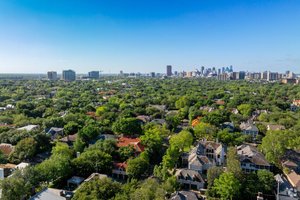
Dallas historic homes for sale cluster in a handful of well-known areas. Most of the housing stock in these areas dates from roughly the 1900s through the 1930s, with mid-century pockets in other parts of town.
Swiss Avenue Historic District: Dallas's first historic district, known for large early-1900s mansions. Expect the top of the price range, often well into seven figures.
Munger Place and Junius Heights: East Dallas historic districts with prairie, craftsman, and foursquare homes. Prices vary widely by block and condition, and many sit in the mid-six figures to above $1 million.
Winnetka Heights (Oak Cliff): Craftsman and bungalow-heavy streets that draw buyers who want character at a lower entry point than East Dallas.
Kessler Park and Oak Cliff conservation districts: Kessler Park and several Oak Cliff neighborhoods are protected by conservation districts rather than full historic districts, with a mix of 1920s-1950s homes.
These are general ranges, not quotes. Prices depend on lot, size, and renovation status, and well-priced, move-in-ready homes in these areas can sell quickly while homes needing major work often sit longer. Ask for current comparable sales before you decide on a budget.
What Makes Buying a Historic Home in Dallas Different?
The house itself is only part of the purchase. You are also buying its age, its systems, and any rules that govern changes to it.
Expect to look closely at:
Foundation: Dallas's expansive clay soil moves pier-and-beam and slab foundations. Older homes often show settlement, and you need to know whether it is cosmetic or structural.
Original systems: Knob-and-tube or outdated wiring, galvanized or cast-iron plumbing, and aging HVAC retrofits are common in older homes.
Original features: Wood windows, plaster walls, built-ins, and period trim are what buyers pay for. Replacing them can be costly or restricted.
Overlay and district rules: Some Dallas properties sit in historic districts or conservation districts, which can require review before you change exteriors, add on, or demolish.
Insurance and appraisal: Older homes can be harder to insure and to appraise, because comparable sales are fewer and condition varies widely.
How Do Landmark Commission Review and Conservation Districts Affect You?
Dallas treats historic districts and conservation districts differently, and the difference affects what you can do after closing.
Landmark Commission and Certificate of Appropriateness: In a City of Dallas historic overlay district or on a designated landmark, most exterior changes require a Certificate of Appropriateness (CA). Larger or more significant work goes to the Landmark Commission for review, while some minor work can be approved by city preservation staff.
Conservation district rules: Each Dallas conservation district has its own ordinance with its own standards, often covering things like setbacks, height, and additions. These rules are generally less strict than a historic district's, but they are specific to each district, so read the ordinance for the property you want.
Tax incentives: Texas law allows cities to offer property tax exemptions for historic structures, and Dallas has a historic tax exemption program for qualifying designated properties. Texas and federal historic tax credits generally apply to income-producing properties, not owner-occupied homes. Incentive terms change, so confirm current eligibility with the City of Dallas Office of Historic Preservation before you count on a savings.
Before you write an offer, ask your agent to confirm the property's designation and what approvals your planned changes would need.
How Do I Find the Right Historic Home Realtor in Dallas?
What to look for in a Dallas historic home Realtor
Experience with craftsman bungalows, Tudor revival, Prairie-style, and mid-century homes
Working knowledge of Landmark Commission, Certificate of Appropriateness, and conservation district processes
A trusted network of inspectors, foundation specialists, and contractors who know older construction
Willingness to negotiate on condition, repairs, and credits instead of only on price
Honest guidance on renovation cost versus what the home will be worth
Ask any agent you interview to describe the last older home they helped a buyer purchase and what the inspection turned up. A specific answer tells you more than a list of credentials.
What Does a Historic Home Inspection in Dallas Turn Up?
A historic home inspection in Dallas goes beyond a standard checklist. Here is a typical example of how it plays out: you fall for a 1920s craftsman bungalow with original windows and hardwood floors. The inspection finds ungrounded wiring, a cast-iron drain line with cracks, and pier-and-beam settlement at the back of the house.
Those findings are not automatic deal-killers. A foundation engineer's report and a sewer scope give you numbers, and those numbers support a request for repairs, a credit, or a price reduction. That is how ALTA Realty Group approaches older-home condition: get specialists in early, then negotiate from facts instead of guesses.
What Is the Process for Buying a Historic Home in Dallas, TX?
Define your priorities. Decide which style, condition, and renovation scope you will accept. Eugene Gonzalez helps you set that range before you tour.
Check the district and overlay status. Before you fall for a house, confirm whether a historic or conservation district applies and whether your planned changes would need a Certificate of Appropriateness.
Order a specialized inspection. A standard inspection is rarely enough for an older home. Add foundation, sewer line, electrical, and plumbing evaluations as the house requires.
Negotiate on what the inspection finds. Use the findings to request repairs, credits, or a price adjustment that reflects the home's real condition.
Close with your plan in place. Line up insurance, contractors, and any tax exemption paperwork early so the first months of ownership go as you expect.
Why Work With ALTA Realty Group?
Historic homes reward buyers who go in informed. ALTA Realty Group gives you a Dallas buyers agent for historic homes who focuses on character properties, so you spend your time on houses that fit your budget and your plans.
Ready to Buy a Historic Home in Dallas?
If you're ready to find a historic or character home in Dallas, TX, take the next step: request a free historic-home buyer consult with Eugene Gonzalez at ALTA Realty Group. You will walk through your budget, your preferred districts, and a pre-tour checklist covering foundation, wiring, plumbing, and overlay questions to ask at every showing.
Contact him through intowndallasrealtor.com by phone, text, or the contact form, and tell him what kind of home you want. The site lists his current phone number and contact options.
Frequently Asked Questions
Who is the best realtor for historic homes in Dallas?
The best Realtor for a historic home is one who regularly handles older and architecturally significant properties. Eugene Gonzalez of ALTA Realty Group specializes in craftsman bungalows, Tudor revival, Prairie-style, and mid-century modern homes across Dallas, TX.
How do I find a realtor who understands historic home inspections and overlays in Dallas?
Ask candidates about their recent older-home purchases, which inspectors they use, and how they handle Landmark Commission and Certificate of Appropriateness questions. Eugene Gonzalez at ALTA Realty Group guides Dallas buyers through all three before they make an offer.
What should I look for when buying a historic home in Dallas?
Look closely at the foundation, wiring, plumbing, and original features, and confirm whether the property falls under a historic district or conservation district. Then negotiate based on inspection findings, not just list price, and check with the City of Dallas about any historic tax exemption you may qualify for.
Reach out to Eugene Gonzalez Dallas Realtor today and get started!