AT&T's Plano HQ: What a $1 Billion Campus Means for DFW Real Estate
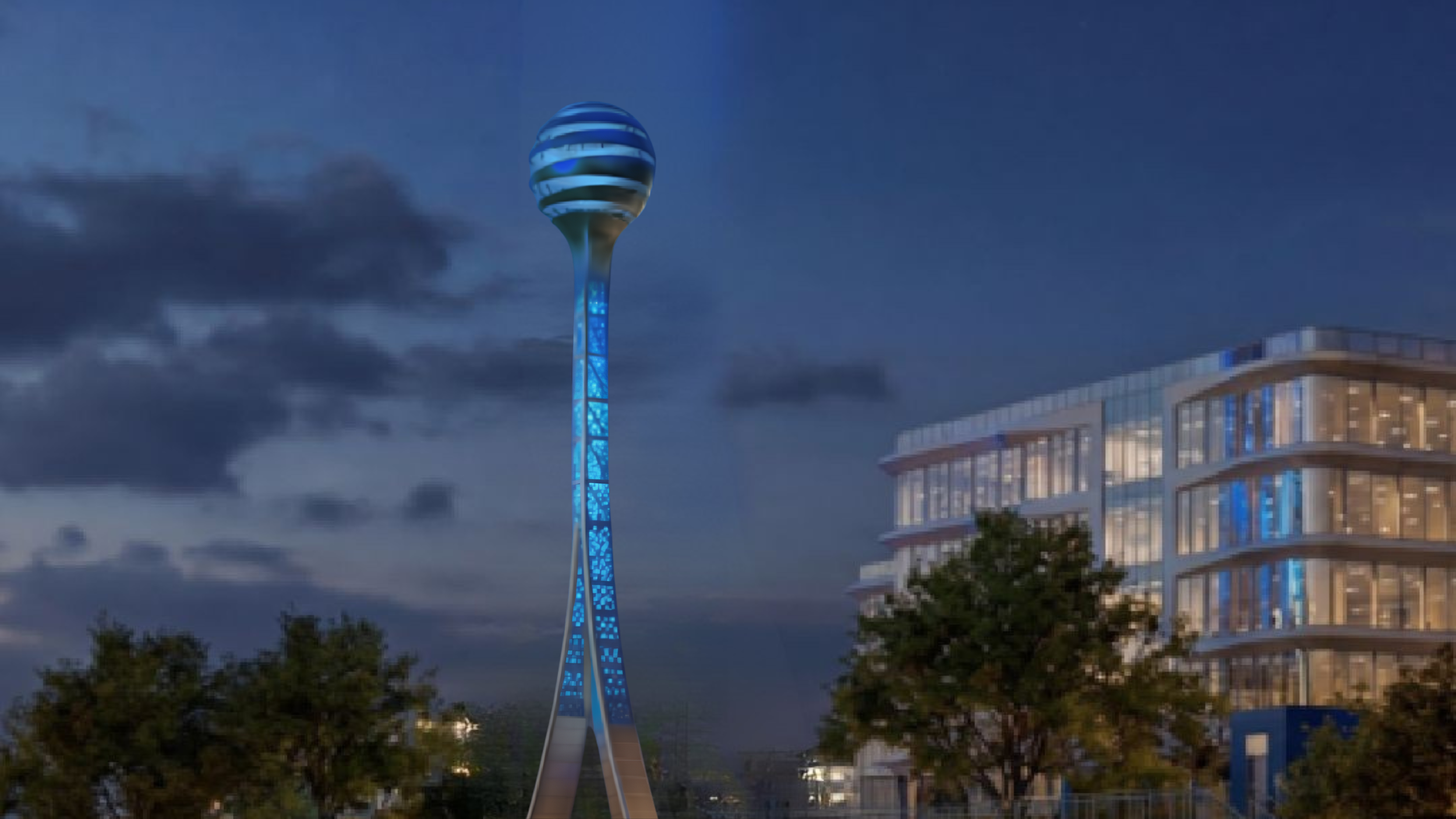
When a company the size of AT&T commits more than $1 billion to a permanent headquarters campus in the Dallas-Fort Worth area, the real estate market pays attention. The planned Plano development — which includes a signature tower drawing comparisons to a mini Reunion Tower — is more than a corporate construction project. It's a signal about where corporate America sees long-term value in North Texas.
What Is the AT&T Plano Campus?
AT&T's planned headquarters campus in Plano is a large-scale, mixed-use corporate development designed to consolidate significant portions of the company's workforce in the Dallas area. The project is moving forward with a reported investment exceeding $1 billion and includes a distinctive architectural centerpiece that has drawn early comparisons to Dallas's iconic Reunion Tower.
The campus is positioned in the Plano corridor — one of the most active commercial real estate markets in the country over the past decade — and represents one of the largest single corporate real estate commitments in the DFW region in recent memory.
Why Plano? What This Says About North Dallas
Plano didn't land a $1 billion corporate campus by accident. The city has spent years building infrastructure, attracting corporate tenants, and developing the kind of live-work-play environment that major employers want when consolidating operations.
Several factors made Plano the right fit:
Workforce access. The North Dallas corridor — running through Plano, Frisco, Allen, and McKinney — is one of the fastest-growing population centers in the country. For a company needing to attract and retain talent, that matters.
Corporate neighbors. AT&T joins a significant roster of Fortune 500 and major corporate tenants already anchored in Plano and surrounding communities. Toyota, JPMorgan Chase, Liberty Mutual, and others have made similar bets on North Dallas in recent years.
Transportation and connectivity. Access to major highways and Dallas Fort Worth International Airport makes Plano a practical choice for a company with national and global operations.
What Does This Mean for Real Estate Buyers and Investors?
Large-scale corporate headquarters relocations and expansions have a direct, measurable impact on surrounding real estate markets. The AT&T Plano campus is worth watching for several reasons.
Residential Demand Will Increase
Thousands of employees attached to a headquarters campus need somewhere to live. Some will relocate from other markets. Others will be hired locally. Either way, the concentration of well-compensated technology and telecommunications professionals increases demand for housing across a range of price points — from entry-level condos and townhomes to executive single-family neighborhoods.
Communities within a reasonable commute of the campus — including Plano, Frisco, Allen, Richardson, and even parts of North Dallas — stand to benefit from sustained housing demand.
Investment Property Potential
For real estate investors, proximity to a major corporate employer is a fundamental driver of rental demand. Long-term rental properties, short-term furnished housing for relocated employees, and multi-family assets near the corridor all become more compelling when a major employer plants a permanent flag nearby.
Commercial and Retail Ripple Effects
Corporate campuses don't exist in isolation. They generate demand for restaurants, retail, fitness, hospitality, and service businesses nearby. That commercial activity supports property values and neighborhood vitality across the surrounding area.
North Dallas Has Been Telling This Story for a Decade
The AT&T campus announcement fits a larger pattern that Dallas-area real estate professionals have been tracking for years. Corporate relocations and expansions to DFW — driven by favorable tax policy, business climate, population growth, and quality of life — have been a consistent tailwind for the North Texas real estate market.
This isn't speculation. It's the continuation of a trend that has already transformed communities like Frisco, McKinney, and the Legacy corridor in Plano into some of the most sought-after real estate markets in the country.
How to Position Yourself in the North Dallas Market
Whether you're a buyer looking to purchase in a high-growth corridor, a homeowner considering your timing, or an investor evaluating North Dallas assets, developments like the AT&T campus are the kind of long-range indicators that should factor into your decision-making.
The buyers and investors who have done best in North Texas over the past decade are the ones who paid attention to where jobs were going — and got ahead of the curve.
Work With a Dallas Realtor Who Understands the Full Market
Understanding how corporate development, job growth, and infrastructure investment translate into real estate opportunity requires more than a zip code search. It requires someone who follows the market closely and can help you connect macro trends to specific buying, selling, or investment decisions.
Eugene Gonzalez is a Top 1% Dallas Realtor, Founder of ALTA Realty Group, and host of American Dream TV – Dallas Edition. He works with buyers, sellers, and investors across the Dallas-Fort Worth market — from Oak Cliff and historic Dallas neighborhoods to the high-growth North Dallas corridor.
If you're evaluating your next move in the DFW real estate market, contact Eugene Gonzalez for a personalized consultation built around your goals and timeline.