Is Downtown Dallas a good place to live if you're moving to Dallas? Yes, if you want walkability, culture, and transit at your door. Downtown Dallas (75201, 75202) offers high-rise and loft living near the Arts District, Klyde Warren Park, and DART's busiest rail lines.
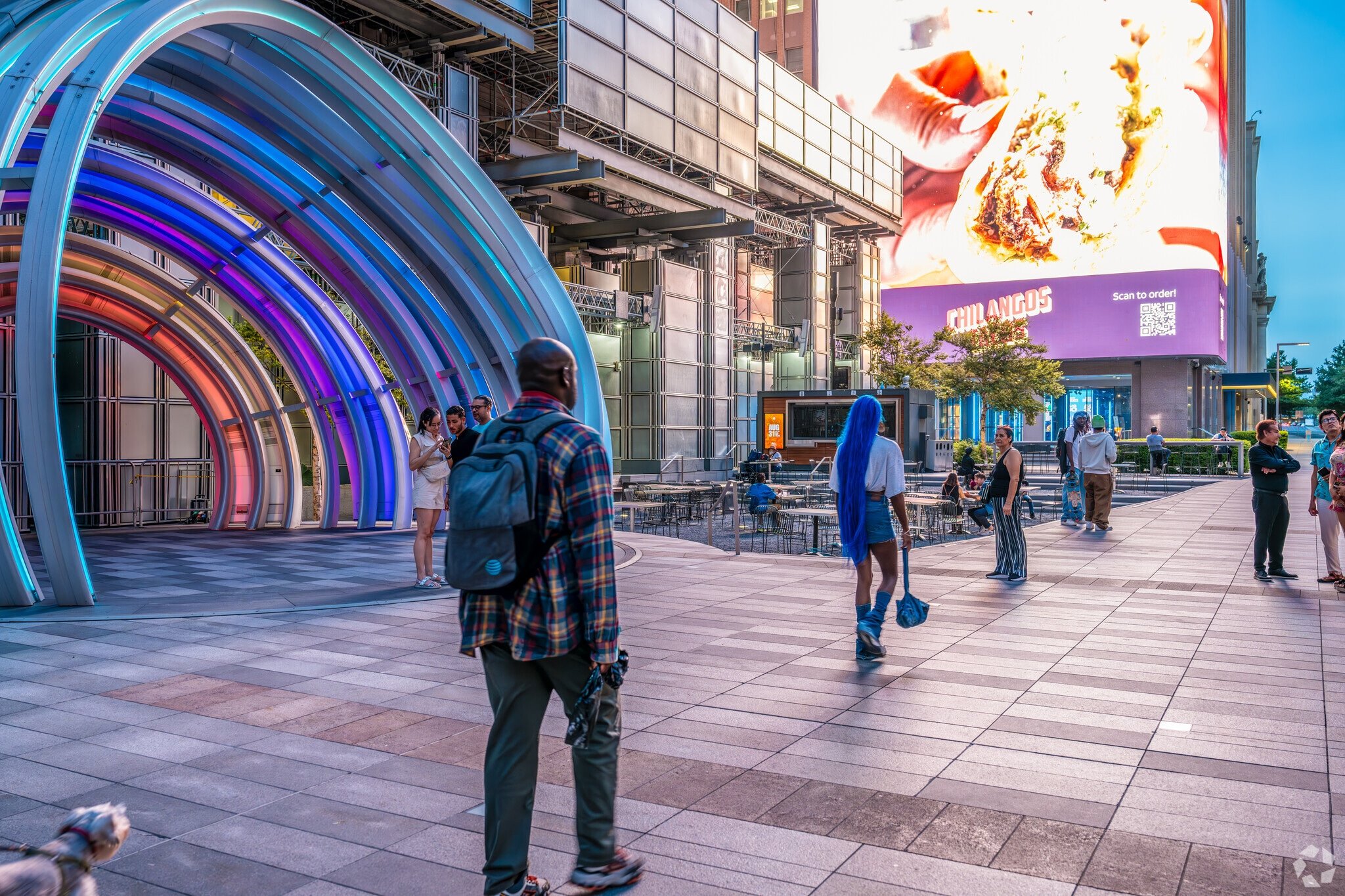
Most people relocating to Dallas picture sprawl: big lots, long drives, a car for every errand. Downtown is the exception. It's the one part of the city where you can walk from your building to a symphony, a museum, a park, and dinner without touching your keys.
That doesn't make it right for everyone. Downtown living asks you to trade square footage and a yard for location, and some blocks feel very different after 6 p.m. than others. Knowing which pocket fits your daily routine matters more here than almost anywhere else in Dallas.
This guide walks you through what downtown actually feels like, how its districts differ, what to look for in a home, and when a nearby neighborhood might serve you better.
What daily life in Downtown Dallas actually feels like
Downtown Dallas is a working city center that has steadily added residents over the past two decades. Historic office towers have been converted into apartments and condos, and the streets now carry dog walkers and coffee runs alongside the weekday business crowd.
Your weekend can start with a walk through Klyde Warren Park, the deck park built over Woodall Rodgers Freeway, and end with a performance in the Arts District. In between, you're a short trip from the Dallas Farmers Market, the Sixth Floor Museum at Dealey Plaza, and Reunion Tower.
The tradeoffs worth knowing upfront
Downtown is quieter on some weekday evenings and Sundays than first-time visitors expect, especially on office-heavy blocks. Groceries, parking, and pet space take more planning than in a suburban setup. If those details matter to you, tour at different times of day before you commit.
The pockets of Downtown Dallas
Downtown isn't one neighborhood. It's a cluster of districts, each with its own rhythm, and the right one depends on how you spend your days.
Arts District
The Dallas Arts District on downtown's northern edge holds the Dallas Museum of Art, the Nasher Sculpture Center, the Meyerson Symphony Center, and the Winspear Opera House. Residential towers here sit beside Klyde Warren Park, with Uptown a short walk away. It suits you if culture and green space top your list.
Main Street District
The Main Street corridor is downtown's historic core, lined with restored early 20th century buildings that now hold lofts, restaurants, and hotels. Main Street Garden and Pacific Plaza give the area pockets of green. This is the most classic "live in the city" experience downtown offers.
Farmers Market District
On the southeast side, the area around the Dallas Farmers Market leans newer and more residential, with townhomes, mid-rise buildings, and a neighborhood feel. Deep Ellum's restaurants and music venues are close by, which appeals if you want downtown access with a little more breathing room.
The edges
Downtown blends into Uptown to the north, Deep Ellum to the east, and the Cedars to the south. Across the Trinity River, Oak Cliff and Bishop Arts sit just a few minutes away by car or streetcar, which matters if you want walkability with a more residential setting.
Housing in Downtown Dallas: what to evaluate
Most downtown homes are condos in high-rise towers or converted historic buildings, with some townhomes toward the Farmers Market area. Rentals make up a large share of the residential inventory, so many relocating buyers rent first, then purchase once they know which block they love.
Questions to ask about any downtown condo
HOA dues and what they cover. Concierge, security, pools, and building systems drive dues. Ask for the budget, reserve study, and any planned special assessments.
Parking. Confirm whether a space is deeded, assigned, or leased separately, and whether guest parking exists.
Rental and pet rules. Some buildings restrict leasing or limit pet size, which affects both lifestyle and resale.
Noise and light. Street level, event venues, and freeway proximity all change how a unit lives. Visit at night.
Building history. Converted historic buildings carry real character, along with older systems worth inspecting carefully.
A note on Texas costs
Texas has no state income tax, which draws many relocating buyers. Property taxes are a meaningful part of your monthly cost, so factor them in alongside HOA dues when you compare a downtown condo with a single-family home elsewhere in Dallas.
Getting around from Downtown Dallas
Downtown is the hub of the DART light rail system, and nearly every line runs through it. That gives you a direct train to DFW Airport, Dallas Love Field connections, and neighborhoods across the city without driving.
The Dallas Streetcar runs from Union Station across the river toward Bishop Arts in Oak Cliff, and the free M-Line Trolley links the Arts District edge of downtown with Uptown. Inside downtown itself, most daily errands are walkable.
If you commute by car, you're positioned at the center of the freeway network, with I-30, I-35E, I-45, US-75, and Woodall Rodgers all converging nearby. That central location is one of downtown's strongest advantages for households with jobs in different parts of the metro.
Is Downtown Dallas right for you?
Downtown tends to fit people who value time over square footage. If you'd rather walk to dinner than mow a lawn, travel often and want lock-and-leave ease, or want to test Dallas before buying long term, it's a strong place to land.
It may not be the right fit if you want a private yard, a garage workshop, or a quieter residential street. In that case, look just across the river. Oak Cliff, Kessler Park, and the Bishop Arts area in 75208 offer tree-lined streets, design-forward homes, and a walkable village center, all within a short drive or streetcar ride of downtown.
The best relocation decisions come from touring both. Spend a weekday evening downtown and a Saturday morning in Bishop Arts, and you'll know quickly which one feels like home.
Frequently asked questions about living in Downtown Dallas
Can you live in Downtown Dallas without a car?
Many residents do. DART light rail, the M-Line Trolley, and the Dallas Streetcar connect downtown to the airport, Uptown, and Oak Cliff, and most daily errands are walkable. Plan for occasional rideshare or car rental for trips outside the core.
Should I rent or buy when relocating to Downtown Dallas?
Renting first is a smart move if you're new to the city. A few months downtown shows you which district and building suit your routine. When you're ready to buy, you'll compare condos with real knowledge of HOA dues, parking, and noise.
What ZIP codes cover Downtown Dallas?
Downtown Dallas falls primarily within 75201 and 75202, with the Farmers Market and eastern edges reaching into 75226. Nearby Oak Cliff and Bishop Arts sit in 75208.
Planning your move to Dallas
Relocating is easier with someone who knows the city block by block. Whether downtown, Oak Cliff, or somewhere in between is the right fit, a clear plan saves you time and second-guessing.
Eugene Gonzalez is a Top 1% Dallas Realtor and Co-Founder of ALTA Realty Group, serving Downtown Dallas, Oak Cliff, Kessler Park, Lakewood, Preston Hollow, and greater Dallas. Message Eugene to start the conversation about your move.