Before touching the price, sort out what buyers are telling you. Strong traffic with no offers points to price. Thin traffic points to marketing, access, or presentation. Check showings, feedback, and nearby competing listings after the first several showings and again around week two or three, then decide.
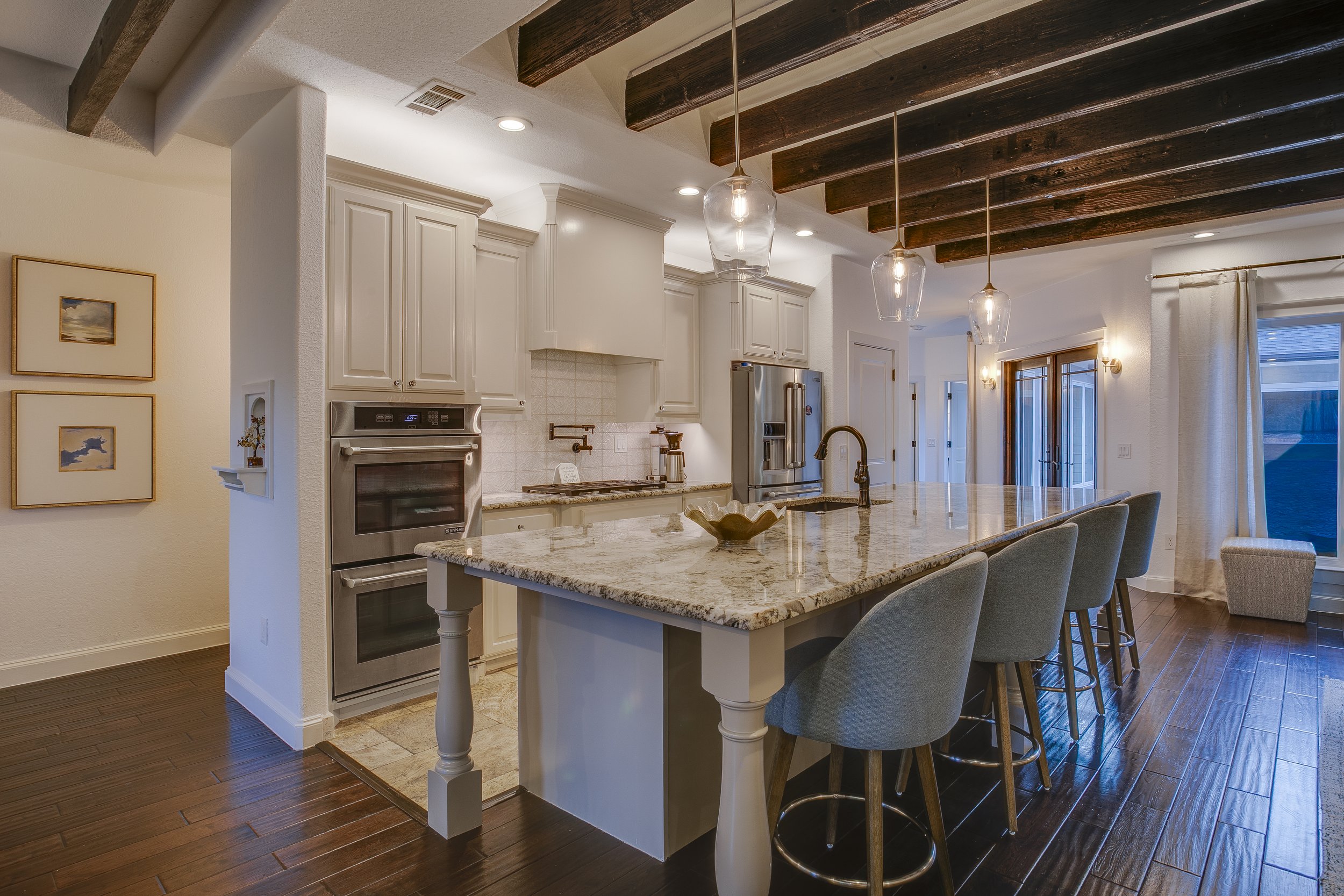
When to Lower Your Dallas Home’s Asking Price
When Should You Lower Your Dallas Home’s Asking Price?
Lower your Dallas home’s asking price when qualified buyers are touring the home, competing listings are winning the attention, and the feedback keeps landing on price. A quiet first weekend is a lull. Steady showings with no offers, and comments that repeat the same objection, are a signal. The decision should rest on evidence from your own listing, not on a metro-wide average.
Key Takeaways
The DFW median sales price was $385,535 in Q3 2026, down 1.1% year over year, which is useful context but not a pricing recommendation for your specific property.
Few or no showings usually point to an exposure problem (marketing, access, presentation, or listing accuracy) before they point to a pricing problem.
Regular showings with no offers, plus repeated buyer comments about price, are the strongest evidence that a reduction is warranted.
A reduction only works if it moves your home into a more attractive search bracket or makes it clearly competitive with the best nearby alternatives.
If buyers keep naming condition, odor, clutter, or access, fixing that barrier may do more than cutting the price alone.
Every seller who calls me with this question is anxious, and I get it. Watching a listing sit feels personal. But the most useful thing you can do is stop guessing and start sorting the evidence. Here's how I walk my clients through it.
How Do You Tell a Temporary Lull From a Pricing Problem?
Compare what's happening on your listing to a short list of signals: showing activity, buyer feedback, competing listings, and days without an offer. Each one points to a different problem, and only some of them call for a lower price.
Start with showings, because they separate exposure from price
If you're getting few or no showings, buyers may not be seeing the home, or may be seeing it and scrolling past. That can come from weak photography, inconvenient showing availability, inaccurate listing details, or a price that sits clearly above the competitive range. Cutting the price first can hide a problem that a better launch would have solved.
If you're getting regular showings, buyers are testing the home. Now the question becomes why they're not converting.
Read buyer feedback for patterns, not single comments
One buyer calling the kitchen dated tells you very little. Five buyers saying the same thing tells you a lot. Regular showings paired with repeated comments about price, condition, layout, or needed repairs are stronger evidence than a slow week.
Showings with no offers and no clear complaint often mean buyers see the home as acceptable but not compelling at the current price. That's a positioning problem.
What each signal usually means
What you're seeingWhat it often points toFirst response Few or no showingsExposure: photos, access, listing accuracy, or a price well above the competitive rangeAudit the listing and showing availability, then compare price to active competitors Regular showings, comments about priceBuyers are testing the home and finding the price highReposition against direct competitors Regular showings, comments about condition, odor, or layoutA barrier a price cut alone may not fixCorrect the barrier, then reassess price Showings, no offers, no clear complaintAcceptable but not compelling at this priceCompare to the best alternatives in your bracket A newer or better-updated listing priced near yoursYour price may have been set on older comparable salesRe-run comparables with current competition
How Long Should You Wait Before Reducing Your Dallas Home’s Asking Price?
Wait long enough to collect real evidence, then review on a schedule instead of on a mood. A practical process is one review after the first several showings and another after roughly two to three weeks on the market.
At each review, I want to see the same inputs:
Showing counts and how they're trending
Online engagement with the listing
Feedback from showing agents, sorted into themes
New listings, pending sales, closed sales, and price reductions near you
Any withdrawn listings in your bracket
If the home is getting qualified traffic but no serious offer, and the feedback consistently names price, the evidence supports repositioning sooner rather than letting the listing go stale. Days on market alone doesn't make the decision. A home with thirty days and strong, engaged traffic is in a different spot than a home with thirty days and silence.
In any market, a properly priced and professionally marketed home still draws qualified buyers. That's why I treat a long stretch without offers as information, not bad luck.
What Does DFW Market Data Say About Pricing a Dallas Home in 2026?
The recent data show a slower, more negotiable DFW market in 2026, but they don't prove that your listing is overpriced. The most recent quarterly figure I'd point to is for Q3 2026: DFW's median sales price was $385,535, down 1.1% year over year, according to reporting based on the Texas Real Estate Research Center at Texas A&M University's analysis of the Data Relevance Project.
That's a broad regional number. The median price reduction reported from the same Texas A&M research is a helpful local benchmark for how negotiable the market has become, but it's context, not a target. Your home doesn't sell against the metro median. It sells against the handful of homes a buyer is comparing it to on the same afternoon.
Use the right comparison set
A bungalow in Kessler Park should be measured against recent, nearby listings of similar type, size, age, condition, lot, and amenities. It shouldn't be measured against a townhome in Uptown, and it certainly shouldn't be measured against a DFW-wide median. The same logic applies whether you're in Lakewood, Preston Hollow, Las Colinas, or Oak Cliff.
Check the geography behind any report you read
MetroTex publishes monthly and annual housing reports supported by data from the Texas Real Estate Research Center at Texas A&M University. Its reporting notes that NTREIS no longer provides boundary data for MLS-defined areas. So when you compare Dallas County, the city of Dallas, and the wider DFW area, confirm which geography a number actually describes before you draw a conclusion from it.
How Much Should You Reduce, and Is a Price Cut Always the Answer?
Reduce by enough to change buyer behavior, and only after you've ruled out a fixable barrier. A cut that leaves you tied with several stronger listings often changes nothing.
Aim for a better position, not a token gesture
The question isn't "how small can I make this?" It's whether the new price puts the home in a more attractive search bracket or makes it clearly competitive with the best alternatives. Look at what's pending nearby and what's still sitting. If the homes that went under contract were newer, better updated, or better located, your adjustment has to account for that gap.
The exact amount depends on your home's condition, location, and the listings buyers are actually weighing against it. That's where a local pricing review comes in, and it's the kind of analysis I run with my clients before we change a number. If you're also weighing what you'll walk away with after a sale, what it costs to sell a house in Dallas explains the cost categories involved.
Separate a price problem from a presentation problem
If feedback keeps naming deferred maintenance, outdated finishes, odor, clutter, poor photography, or showing access, changing only the price may not solve it. In those cases, a price reduction is one option alongside correcting the specific barrier buyers identified. Sometimes the right move is both.
Price cut or buyer concession?
A concession can help when the objection is narrow, such as a specific repair or a buyer's closing-cost gap. But concessions are negotiated, and they don't change how your home appears in a price-bracket search. If buyers aren't finding or choosing the home at its current price, a concession offered later may not get you the showings you need. Weigh both against what your listing's feedback says.
Should you match a competitor's reduction?
Not automatically. A competitor may be cutting because their home has been sitting for months, or because it has a problem yours doesn't. Match the position, not the number. If you want the bigger picture on how pricing and marketing work together, I cover it in who gets top dollar selling homes in Dallas, and the right partner for this decision is covered in how to choose a Dallas listing agent.
If you'd like to see how my clients' listings and others have fared, you can read reviews of Eugene on Google.
FAQ
How many showings should I get before lowering my Dallas home’s price?
There's no magic showing count, so look at the pattern instead of the number. Review after the first several showings: if buyers are coming through but the same price-related comments keep repeating, that supports a reduction. If showings are scarce, check marketing, access, and listing accuracy first.
Why is my Dallas home getting showings but no offers?
Buyers likely see the home as acceptable but not compelling at the current price. Compare your listing with the best nearby alternatives, and read feedback for repeated comments about price, condition, or layout. If the objection is fixable, such as clutter or deferred maintenance, address it before or alongside any price change.
Is 30 days on the market too long for a Dallas home?
Not automatically. What matters is the quality of the activity during those thirty days. Strong showings and engaged buyers call for patience and a check of the feedback, while thirty days of little traffic calls for a prompt review of exposure and price.
How much should I reduce my Dallas home’s asking price?
Reduce enough to improve your position against direct competitors, not a token amount. The right figure depends on your home's condition, location, and the listings buyers are comparing it to. I run that comparison with my clients before we adjust the number.
Should I lower the price or offer a buyer concession instead?
It depends on the objection. A concession can address a narrow issue like a specific repair, but it won't move your home into a more competitive search bracket. If buyers are passing mainly because of price, a reduction usually does more than a concession.
The Bottom Line
Lowering your price is a decision for the evidence, not for the calendar. Sort showings, feedback, competing listings, and time without an offer, and you'll know whether you're in a lull or facing a pricing problem. If you want a second set of eyes on your listing, I'll run the comparison with you and tell you plainly what I see. Schedule a consultation and we'll look at your Dallas home's asking price against the listings buyers are actually choosing.
About Eugene Gonzalez
Eugene Gonzalez is a top 1% Dallas REALTOR®, founder of ALTA Realty Group, and host of American Dream TV – Dallas Edition, specializing in Oak Cliff, Kessler Park, Highland Park and beyond. He helps buyers win in competitive markets, sellers maximize value with proven marketing, and investors build long-term wealth.
Dave Perry-Miller Real Estate · (214) 586-0250
Equal Housing Opportunity. Eugene Gonzalez, Brokerage: Dave Perry-Miller Real Estate, licensed and regulated by the Texas Real Estate Commission (TREC); see the TREC Consumer Protection Notice and Information About Brokerage Services. This article is general information, not legal, tax, or financial advice. Confirm your own numbers with your title company, tax advisor, or lender.