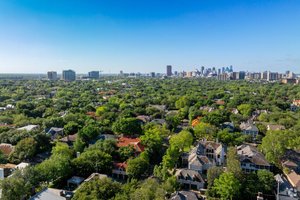
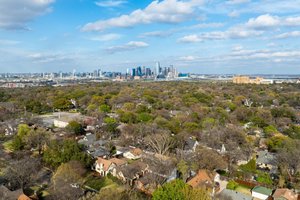
Balfour Beatty’s decision to relocate its Dallas office from Uptown to Victory Park may look like a routine office move at first glance. It’s not.
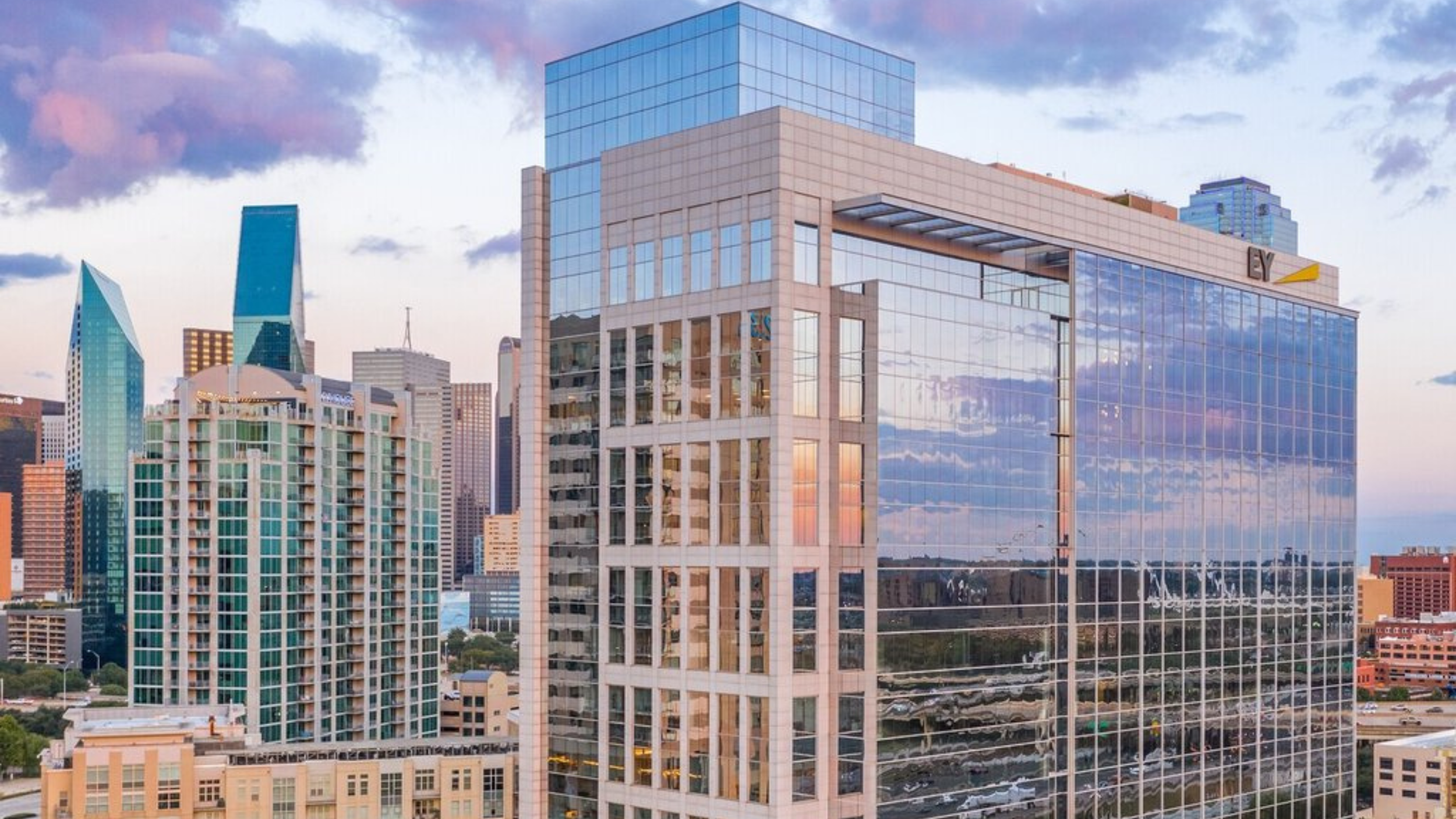
When a global infrastructure and construction company changes where it wants to operate in Dallas, it usually reflects a larger shift in how companies are thinking about cost, access, employee experience, and long-term positioning.
And that matters for Dallas real estate.
The company is moving into Victory Park, one of the city’s most recognizable urban districts, positioned between Uptown, Downtown Dallas, and the Design District. Over the last several years, Victory Park has quietly evolved from an entertainment-focused district into a more balanced live-work environment with residential towers, office users, hospitality, and walkability all feeding into one another.
That shift says a lot about where Dallas is heading.
For years, Uptown Dallas was viewed as the default office destination for companies wanting visibility, prestige, and proximity to high-income talent. But office demand across Dallas has become more selective. Companies are evaluating functionality just as much as image. They’re asking different questions than they were five or ten years ago.
How easy is the commute?
How connected is the neighborhood?
Can employees live nearby?
Does the area feel active beyond work hours?
Victory Park checks many of those boxes.
Its location near the Katy Trail, American Airlines Center, Uptown, and Downtown creates a more flexible environment for companies wanting access without some of the density and pricing pressure associated with traditional Uptown office corridors.
From a real estate perspective, this is where the story becomes important.
Corporate office relocations often influence residential demand in nearby neighborhoods before most buyers realize it. Employees begin leasing nearby apartments. Executives look for shorter commutes. Supporting businesses follow. Over time, that activity starts shaping housing demand patterns.
Neighborhoods positioned to benefit from continued activity around Victory Park include:
Oak Lawn
Turtle Creek
Design District
Uptown Dallas
East Dallas
Lower Greenville
These areas already attract buyers looking for walkability, restaurant access, modern housing stock, and proximity to employment centers. Continued office movement into Victory Park only strengthens that positioning.
This also reflects a broader trend happening across Dallas commercial real estate. Rather than concentrating everything into one corridor, companies are spreading across multiple urban districts that offer different advantages. Some want trophy towers. Others want flexibility and convenience. Dallas now has enough urban density for companies to choose based on operational fit instead of simply choosing the most recognizable address.
That’s one reason moves like this matter more than people think.
At ALTA Realty Group, we watch these shifts closely because they often become early indicators for future housing demand, leasing activity, and neighborhood momentum. Buyers, sellers, and investors who understand where companies are moving today are often better positioned to understand where residential attention may follow tomorrow.
If you’re considering buying, selling, or investing in Dallas neighborhoods like Victory Park, Oak Lawn, Uptown, or East Dallas, understanding these patterns can help you make more informed decisions.
📲 Chat with Eugene Gonzalez today for the full story + updates like this delivered to your inbox.
I’m Eugene Gonzalez, your inside source for what’s shaping Dallas Real Estate.